Contenido del curso
Módulo 2: Gestión del alcance y aliados de un proyectos

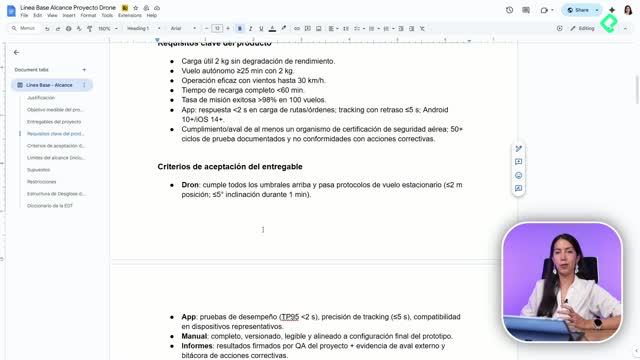
Módulo 3: Gestión del Cronograma de un proyecto
- 11

How Project Schedule Management Works
03:02 min - 12
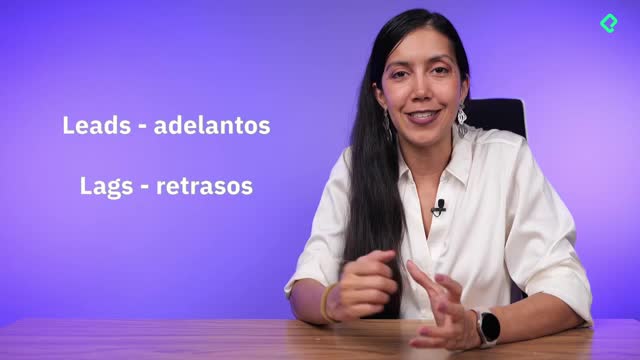
Dependencias entre actividades para cronogramas de proyecto
06:46 min - 13
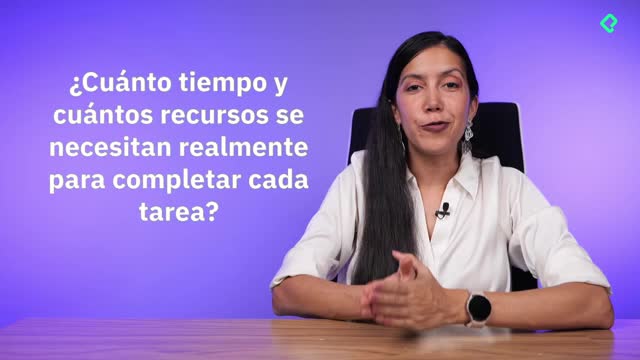
Effort vs Duration: The PERT Method
05:49 min - 14
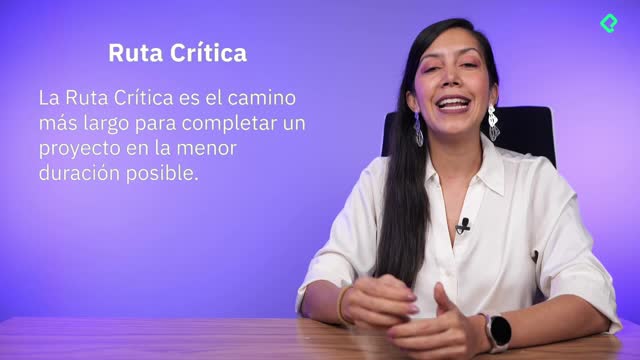
Ruta crítica y cronograma con diagrama de Gantt
05:58 min - 15
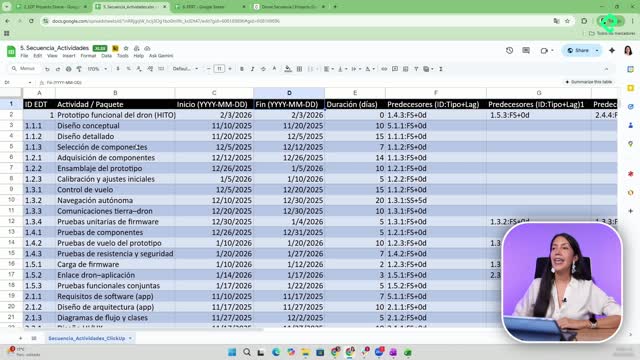
PERT and ClickUp for Project Scheduling
07:56 min - 16
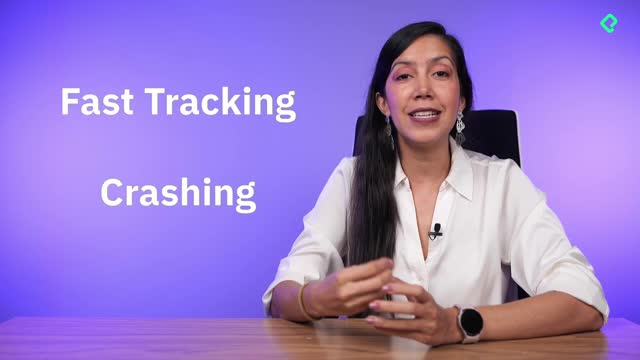
Técnicas de compresión de cronogramas: fast tracking y crashing
09:03 min
Módulo 4: Planificación y Presupuesto de Costos
- 17
Gestión de costos en proyectos: procesos del PMBOK y control
04:23 min - 18
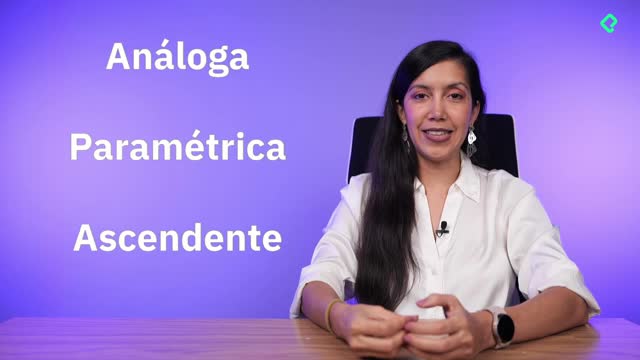
Tres métodos para estimar costos de proyectos con precisión
07:34 min - 19
Presupuestos de proyecto con reservas y curva S para control financiero
09:55 min - 20
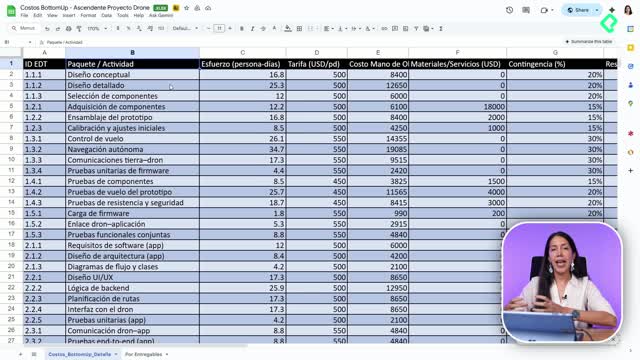
Building a Project Budget Baseline With S-Curve
07:15 min - 21
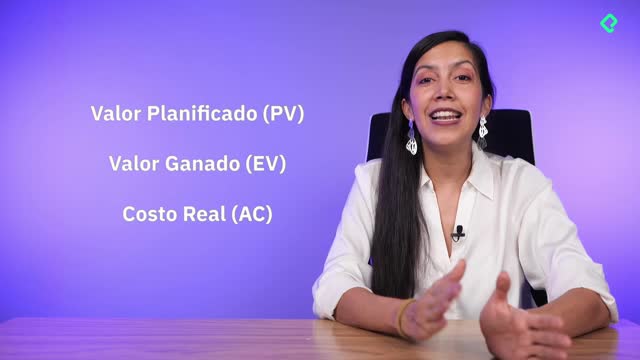
Why Low Spending Can Hide Project Failure
11:58 min - 22
WSJF and ROI to Prioritize Projects
06:58 min
Módulo 5: Siguientes Pasos
What Comes After Project Management Basics
Resumen
Mastering project management starts with understanding how scope, schedule, and cost interact in every decision you make. Move one, and the other two shift with it. If you're looking to grow as a project manager, the path forward involves deepening specific skills, building soft skills, and exploring certifications that open doors in the industry.
Why does the scope, schedule, and cost triangle matter so much?
These three tools are the backbone of any project. You can't treat them as separate boxes because every choice you make ripples across all of them. If your client expands the scope, your schedule stretches and your budget grows. If you cut the budget, something in scope or timing has to give.
Everything you learned connects: from defining activities to drawing the cost baseline, from mapping a dependency to signing a contract with a supplier. Project management is the craft of orchestrating these moving pieces without losing sight of the value you want to deliver.
What is the project management triangle? It's the relationship between scope, schedule, and cost. Changing one variable forces you to adjust the others to keep the project balanced.
What should you learn next as a project manager?
The fundamentals are your starting point, not your finish line. There are several directions you can take depending on the kind of project manager you want to become.
You can specialize in technical areas that add depth to your profile:
- Risk management, to anticipate and respond to threats before they hit your timeline.
- Quality management, to ensure deliverables meet the standards your stakeholders expect.
- Process optimization, to make your team faster and leaner without sacrificing results.
You can also build the human side of the role. Influencing without authority, resolving conflicts, and negotiating with diverse stakeholders are skills that separate good project managers from great ones. Add to that the ability to negotiate and manage complex contracts, and you become someone organizations actively look for.
How do you stay current with project management tools?
The tooling landscape changes fast. Collaboration software, data analysis platforms, and reporting dashboards evolve every year, and your job is to keep testing what works for your team.
Staying updated means experimenting with new platforms, comparing features, and understanding which tool fits which type of project. A construction project doesn't need the same stack as a software rollout.
Which project management certifications are worth pursuing?
Certifications can open doors, especially in companies that require them for specific roles or bidding processes. They also signal a level of commitment that hiring managers notice.
The most recognized options today include:
- PMP from the PMI, widely accepted across industries and geographies.
- SAFe, focused on scaling agile practices in large organizations.
- PRINCE2, popular in Europe and government related projects.
Is the PMP certification worth it? Yes, if you work in industries or companies that value or require it. The PMP is one of the most recognized credentials globally and often appears as a requirement in senior project manager roles.
Choose based on where you want to work and the kind of projects you want to lead. A certification without context is just a line on your resume; paired with experience, it becomes leverage.
How do you keep growing as a project manager?
The path of a project manager is a continuous cycle of learning, applying, reflecting, and adapting. Each project teaches you something the previous one couldn't, and your job is to capture those lessons and bring them into the next challenge.
Lead with impact, lead with efficiency, and never settle for what you already know. Tell me in the comments what was new for you and which topic you'd like to explore in a future course.