Contenido del curso
Módulo 2: Gestión del alcance y aliados de un proyectos
Módulo 3: Gestión del Cronograma de un proyecto
- 11
How Project Schedule Management Works
03:02 min - 12
Dependencias entre actividades para cronogramas de proyecto
06:46 min - 13
Effort vs Duration: The PERT Method
05:49 min - 14
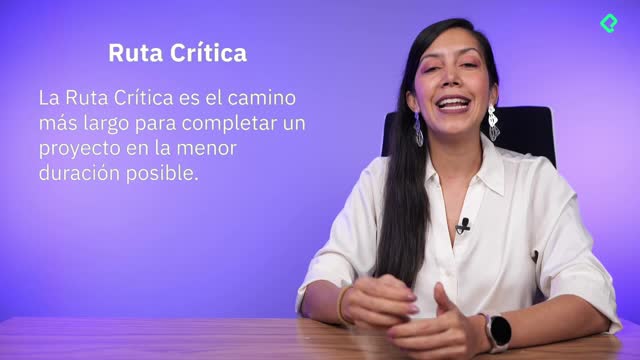
Ruta crítica y cronograma con diagrama de Gantt
05:58 min - 15
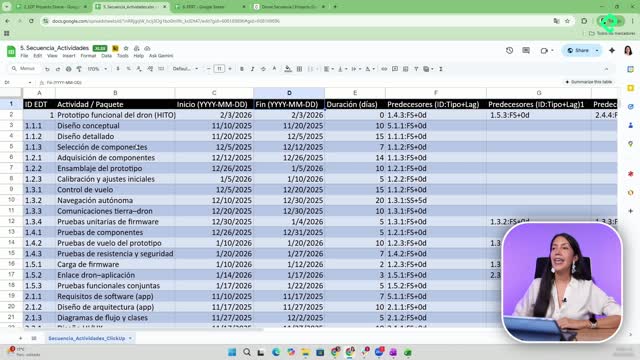
PERT and ClickUp for Project Scheduling
07:56 min - 16
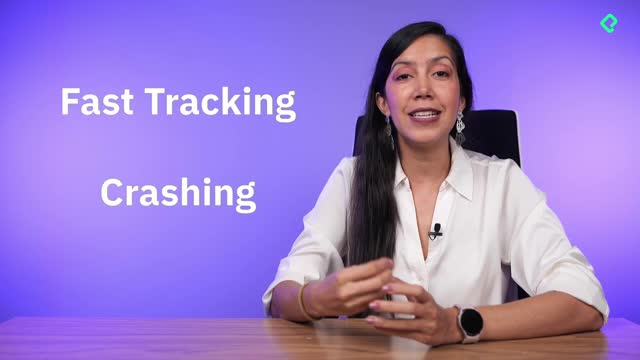
Técnicas de compresión de cronogramas: fast tracking y crashing
09:03 min
Módulo 4: Planificación y Presupuesto de Costos
- 17
Gestión de costos en proyectos: procesos del PMBOK y control
04:23 min - 18
Tres métodos para estimar costos de proyectos con precisión
07:34 min - 19
Presupuestos de proyecto con reservas y curva S para control financiero
09:55 min - 20
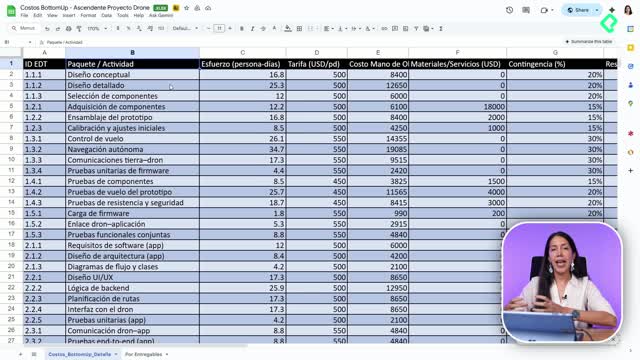
Building a Project Budget Baseline With S-Curve
07:15 min - 21
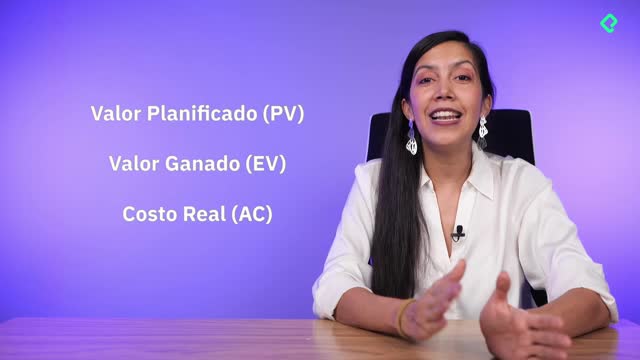
Why Low Spending Can Hide Project Failure
11:58 min - 22
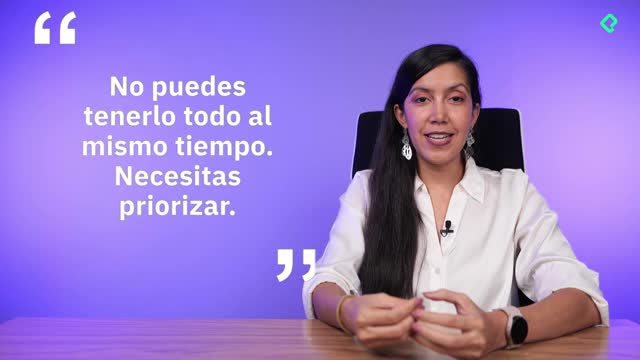
WSJF and ROI to Prioritize Projects
06:58 min
Módulo 5: Siguientes Pasos
From Idea to Finished Project: Core Skills
Resumen
Every building, every startup, every app you admire started as a sketch in a notebook or a late night conversation. What turns those sparks into something real is project management: the discipline of moving an idea from ideation to execution with method, strategy, and vision. If you want to learn how to plan, structure, and deliver projects that actually ship, this is where it begins.
What is project management and why does it matter?
Project management is the practice of transforming an idea into something tangible, measurable, and functional. It is not just organizing tasks on a board, it is directing the future of a project with intention.
Think about it this way. Someone, at some point, looked at an empty lot, a blank screen, or an empty calendar and said let's make it happen. That decision alone does not build anything. The bridge between I have an idea and here is the result is built with management.
What does a project manager actually do? A project manager guides an idea through ideation, structuring, and execution while analyzing processes, controlling costs, planning resources over time, and anticipating risks.
And here is the interesting part: the same logic applies whether you are launching a building, a startup, an event, or an application. The scale changes, the method stays.
How do you move from idea to execution?
The path from inspiration to a finished project follows a clear sequence. You start with the idea, then you give it shape, and finally you make it real.
- Ideation. The moment the concept is born, when you define what you want to build and why it is worth building.
- Structuring. The stage where you break the idea into processes, costs, resources, and timelines so it stops being abstract.
- Execution. The moment you put the plan into motion, monitor progress, and adjust when reality pushes back.
Each stage feeds the next. Skip the structuring step and execution becomes chaos. Skip ideation and you end up building something nobody asked for.
What is the difference between an idea and a project? An idea is a possibility. A project is that idea broken into processes, costs, resources, and a timeline that you can actually manage and measure.
What skills will you build in this course?
You will learn to look at any project, big or small, and see the moving parts behind it. That shift in perspective is what separates someone who has ideas from someone who delivers them.
Throughout the course you will work on:
- Process analysis, to understand how each part of a project connects and where value is created.
- Cost management, to know what your project really requires and avoid surprises.
- Resource planning over time, so people, budget, and tools are aligned with the schedule.
- Risk anticipation, to spot problems before they become emergencies.
These are not abstract concepts. They are the daily tools of anyone who leads work that matters.
Key concepts and skills from the class
A few ideas anchor everything you will see next, and they are worth naming clearly.
Project management is introduced as the art of turning ideas into tangible, measurable, and functional outcomes [0:30]. It is framed not as task organization but as a way of directing the future with method and strategy.
Ideation, structuring, and execution appear as the three stages every project moves through [0:42]. Understanding this sequence is the foundation for everything else.
Process analysis, cost understanding, resource planning, and risk anticipation are listed as the core competencies you will develop [0:48]. Together they form the operational backbone of any project, regardless of industry.
And there is a final idea worth keeping close: everything big started small, with someone willing to plan, design, and build. Your project can start the same way. What are you planning to build first? Share it in the comments.