Contenido del curso


Módulo 2: Gestión del alcance y aliados de un proyectos




Módulo 3: Gestión del Cronograma de un proyecto
- 11

How Project Schedule Management Works
Viendo ahora - 12

Dependencias entre actividades para cronogramas de proyecto
06:46 min - 13

Effort vs Duration: The PERT Method
05:49 min - 14

Ruta crítica y cronograma con diagrama de Gantt
05:58 min - 15
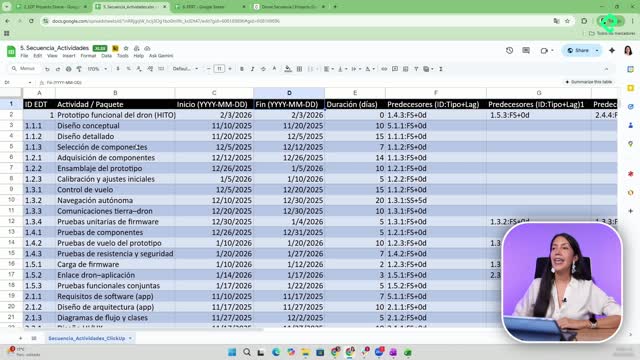
PERT and ClickUp for Project Scheduling
07:56 min - 16

Técnicas de compresión de cronogramas: fast tracking y crashing
09:03 min
Módulo 4: Planificación y Presupuesto de Costos
- 17

Gestión de costos en proyectos: procesos del PMBOK y control
04:23 min - 18

Tres métodos para estimar costos de proyectos con precisión
07:34 min - 19

Presupuestos de proyecto con reservas y curva S para control financiero
09:55 min - 20
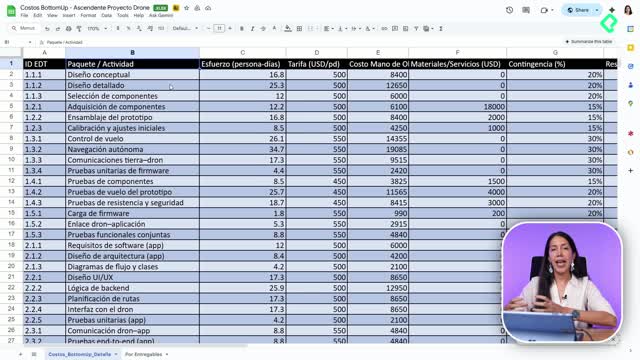
Building a Project Budget Baseline With S-Curve
07:15 min - 21

Why Low Spending Can Hide Project Failure
11:58 min - 22

WSJF and ROI to Prioritize Projects
06:58 min
Módulo 5: Siguientes Pasos

How Project Schedule Management Works
Resumen
Turning a project vision into a realistic timeline is what separates ideas from execution. Project schedule management is the discipline that converts your scope into a sequence of activities, durations, and resources so your team knows exactly when each deliverable should land. If you lead initiatives and need a clear path to hit deadlines, this is your compass.
Why does schedule management matter in project planning?
Once you have defined and protected the what of your project, the next challenge is mapping it to a when. Schedule management lets you plan, monitor, and control time, transforming your work breakdown structure into a logical flow of tasks with realistic dates [0:15].
The Project Management Institute (PMI) breaks this discipline into a set of building blocks. Each one moves you closer to a solid schedule baseline, the detailed calendar that tells you when every activity should happen.
What is a schedule baseline? It is the approved version of your project schedule that shows when each activity is planned to occur. You use it as the reference point to measure delays or progress.
How do you define and sequence project activities?
The first move is defining the activities. You take each work package from your EDT (Estructura de Desglose del Trabajo, or Work Breakdown Structure) and split it into smaller, schedulable tasks. An activity consumes time and, once completed, contributes to a project component. Think of it as the how behind the what [1:18].
With your list ready, you move to sequencing the activities. Here you set the logical order and identify dependencies: which task must finish before another starts, and which ones can run in parallel.
What does sequencing activities mean? It means putting tasks in the order they must be executed and mapping the dependencies between them, so the workflow makes sense from start to finish.
How do you estimate resources and duration of each activity?
After sequencing, you need to estimate the resources every activity requires. That includes:
- People with the right skills.
- Equipment and tools.
- Materials and supplies.
- Software or licenses.
With resources assigned, you can estimate the duration of each activity. You forecast how many work periods are needed, based on the resources you have and the experience your team brings from previous projects [2:10].
And here comes the interesting part: duration is not just a guess. It depends directly on the resources you commit. More qualified people on a task usually shortens it; limited tooling stretches it.
How do you develop the final project schedule?
With activities defined, sequenced, resourced, and estimated, you can finally develop the schedule. This step analyzes the full picture: sequence, durations, resource requirements, and time constraints. The output is your schedule baseline, a detailed calendar that acts as your time compass [2:45].
This baseline is what keeps your project on track. It tells you not only that you will reach the destination, but that you will arrive when expected.
What comes next in mastering project schedules?
The pillars you just saw, defining, sequencing, estimating resources, estimating durations, and developing the schedule, are the foundation. Upcoming lessons in this module dig deeper into each one, including techniques to build the critical path of your project and ways to visualize your timeline effectively.
Which of these steps feels harder to apply in your current project? Share your experience in the comments.