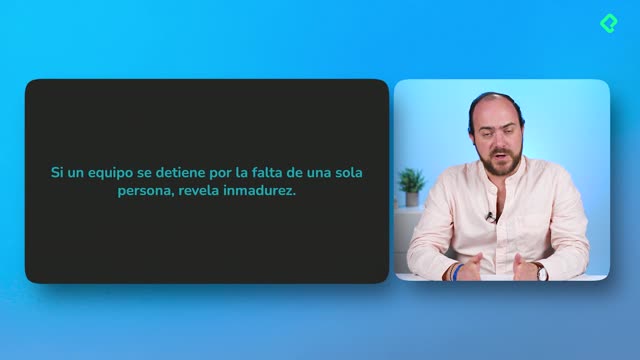
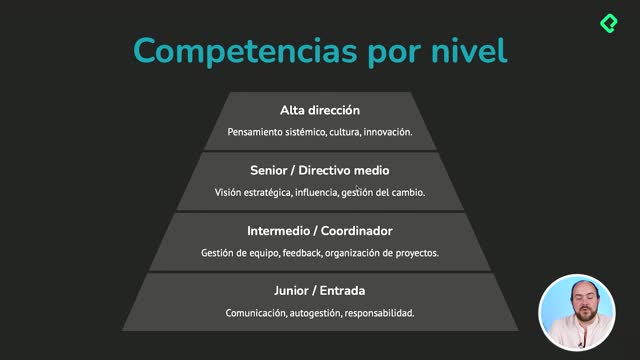
If you disappeared from your team tomorrow, what would stop running? That single question reveals your real leadership footprint, and it's the starting point to break your leadership ceiling and grow into the kind of leader people actually want to follow. This is for managers, founders, and team leads who want to stop managing tasks and start guiding humans.
Leadership isn't a title on a business card. It's the impact you leave on the people around you, built through connection, credibility, and trust.
What does it really mean to be a leader at work?
Being a leader is not about giving orders. It's about guiding. And before you can guide anyone else, you have to be brutally honest with yourself about where you stand right now.
That means doing a personal inventory: your strengths, your blind spots, the threats moving in your market, and the weaknesses you carry as a person. Think of it as a SWOT analysis, but pointed at the mirror.
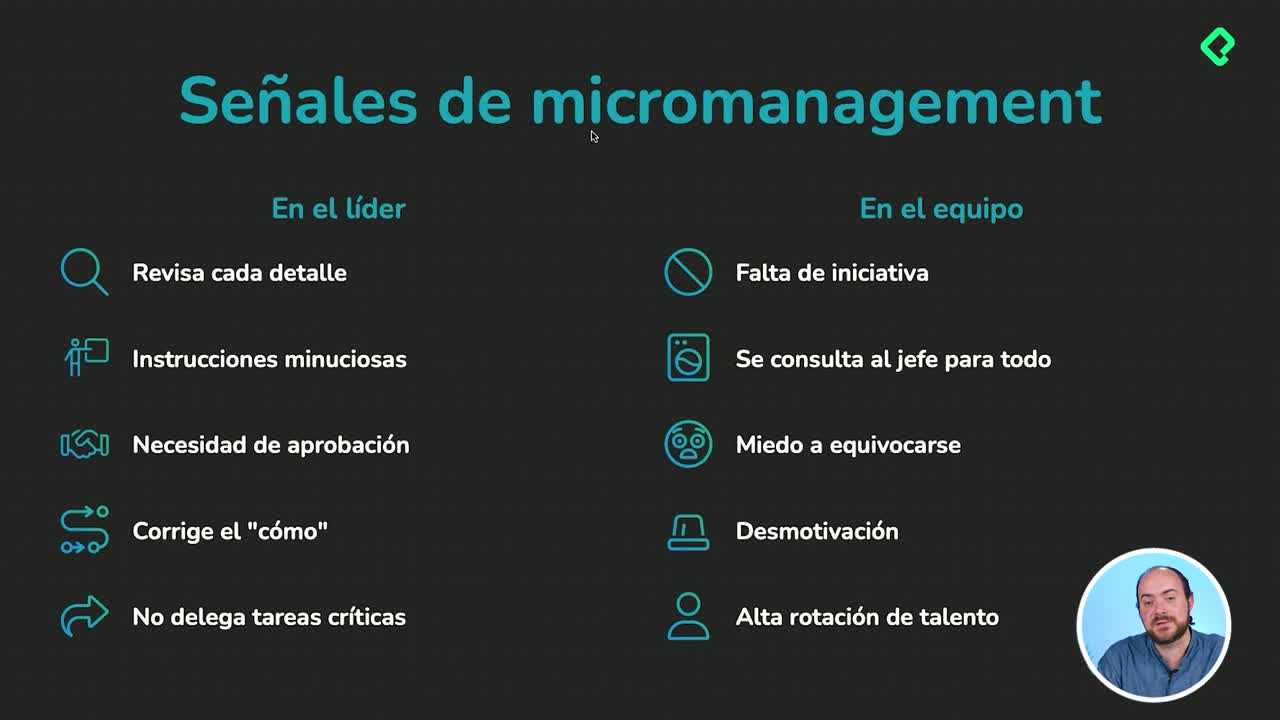
What is a leadership ceiling? It's the invisible limit where your habits stop your team from growing. You hit it when you micromanage, when turnover spikes, or when simple decisions feel paralyzing.
How do I know if I've hit my leadership ceiling?
The signals are usually loud once you learn to read them. You don't need a 360 review to spot them; your daily routine tells the story.
- You micromanage every detail instead of trusting your team.
- You have unusually high turnover and people keep leaving.
- You struggle to make decisions, even small ones.
If two of those sound familiar, your ceiling is closer than you think. The good news: ceilings are made to be broken, and the tools to do it are simpler than most people assume.
How can I communicate better and give useful feedback?
Clear communication is the first lever. Your team can't read your mind, and assuming they can is one of the fastest ways to lose credibility.
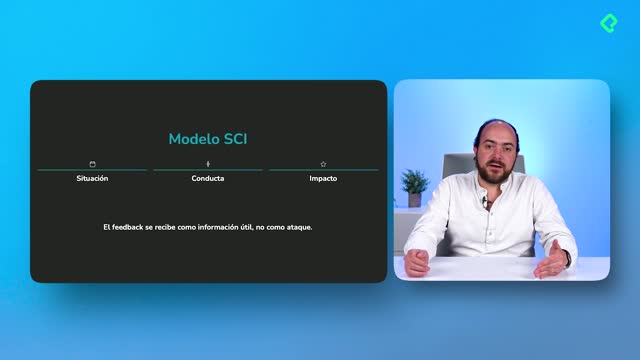
Feedback works when it's specific, timely, and constructive, not when it's vague praise or vented frustration. The goal isn't to make people feel good or bad; it's to help them get better at something concrete.
What makes feedback constructive? It points to a specific behavior, explains the impact, and suggests a path forward. "Your report missed the deadline twice this month, which delayed the client; let's plan check-ins on Wednesdays" beats "you need to be more responsible."
How do SMART goals help you grow with your team?
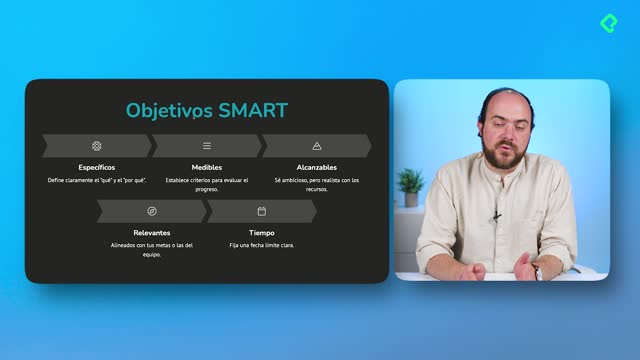
Growth without measurement is just hope. SMART goals (Specific, Measurable, Achievable, Relevant, Time-bound) turn vague ambitions into something you can actually track week by week.
The practice has three parts:
- Build the goal with your team, not for them.
- Measure it on a clear cadence so progress is visible.
- Adjust when reality pushes back, instead of pretending the plan is sacred.
When goals are SMART, conversations stop being about effort and start being about outcomes. That alone changes the energy of a team.
Why is delegating the skill that frees your calendar?
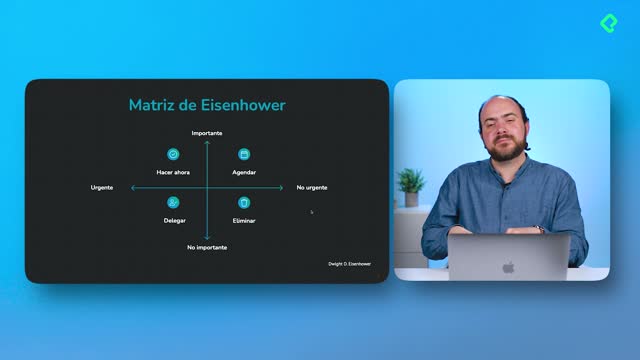
Delegating isn't dumping tasks. It's transferring ownership so you get back the mental space to focus on what only you can do, like strategy, hiring, or hard calls.
If every decision routes through you, you are the bottleneck. Delegation is how you stop being the ceiling for everyone else.
How do I improve processes without slowing the team down?
Processes get a bad reputation because most people confuse them with bureaucracy. Done right, they're the opposite: they remove friction and free people to think.
Three practical moves work almost anywhere:
- Documentation, so knowledge doesn't live in one person's head.
- Shadowing, where someone learns by watching the work in real time.
- Mentorship inside the team, so growth becomes peer to peer, not just top down.
These habits compound. In a few weeks, the team starts solving problems without pinging you, which is exactly the point.
How do you build purpose and turn it into team rituals?
Purpose is not something you stumble into on a quiet Sunday. It's built every day through the choices you make and the example you set.
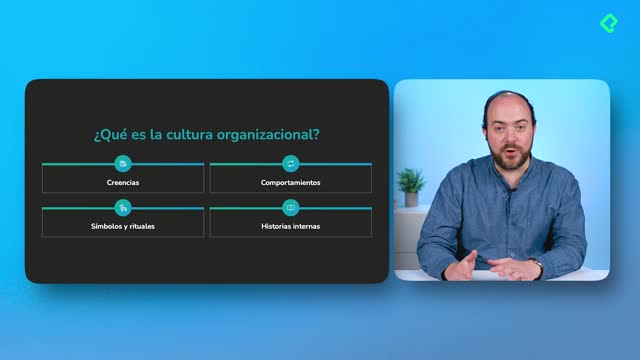
The trick is to translate purpose into rituals you can share with your team: a weekly kickoff, a retro, a small celebration when a goal lands. Rituals make values visible, and visible values shape culture.
Over the next 30 days, the plan is simple: audit yourself honestly, sharpen your communication, set SMART goals, delegate on purpose, document what matters, and anchor it all in shared rituals. That's how you stop managing and start leading.
Which of these signals hit closest to home for you? Drop it in the comments and let's talk about the first move you can make this week.