Recognizing your team the right way can transform performance, retention, and culture. Effective employee recognition isn't just saying "good job" once a year; it's a system built on timing, fairness, and visibility that motivates people to keep raising the bar. Here's how to design recognition that actually works, whether you lead a startup or a consolidated team.
Why does timely recognition matter for your team?
Recognition works best when it lands close to the moment it's earned. The same way you deliver constructive feedback right after an event, positive feedback should be immediate so the person clearly connects the praise with the action that triggered it.
And unlike feedback on areas of opportunity, recognition gains power when it's public. We're social beings, and being acknowledged in front of peers amplifies the feeling of being valued.
What is immediate recognition? It's giving positive feedback right after the achievement happens, ideally in front of peers, so the person directly links the praise with the specific action.
How can you deliver recognition in different formats?
There isn't a single way to recognize someone. You can mix verbal praise with tangible rewards depending on what fits your culture and budget.
- Verbal recognition in front of peers, immediate and specific.
- Extra time off, additional vacation days, or a free day during the week.
- Formal benefits like structured bonus schemes tied to measurable goals.
- Scholarships for continuous training, which also bring a return to the organization through better skilled people.
At Medu, the most structured format is a bonus scheme tied to objective metrics. The rule is simple: if you hit the goals the team set together, you unlock the bonus. And those metrics rotate over time to stay aligned with company strategy.
How often should you give bonuses and recognition?
Frequency depends on the type of reward. Formal bonuses usually work best on a quarterly cycle, because a quarter gives you enough time to define goals, track them weekly and monthly, and adjust along the way.
Some organizations run them semiannually, others once a year, depending on finances. At Medu, the cadence is every quarter.
Public, verbal recognition follows a different rule: do it as close to the event as possible. Don't save it for the next all hands two months later.
How often should I give a bonus? Quarterly works best for most teams because it allows enough time to set, measure, and adjust goals without losing motivation.
What makes a recognition system fair and equitable?
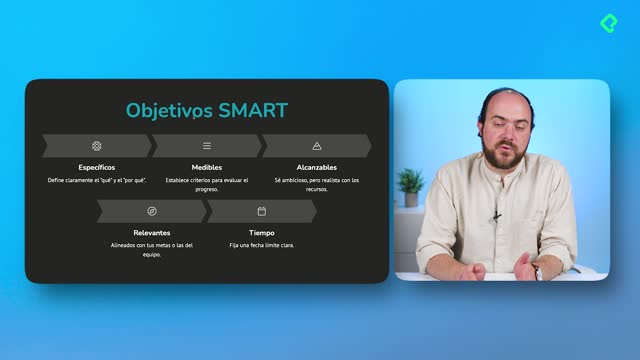
A light recognition system stands on three pillars: timing, fairness, and equity. Fairness means using objective and measurable criteria so nobody can argue favoritism. If the metrics evolve daily, weekly, monthly, and quarterly, you can clearly say whether someone met the bar.
Equity means people at the same level on your org chart should have the same access to the same type of benefit. Differences between peers in the same tier damage culture faster than almost anything else.
What mistakes should you avoid when rewarding your team?
A reward system can backfire if it's poorly designed. Watch out for these traps:
- Setting goals so low that the bonus rewards the bare minimum. The bonus should motivate, not subsidize mediocrity.
- Setting goals so ambitious that nobody hits them, which discourages the whole team.
- Falling into favoritism, especially when you combine leadership with formal authority on the org chart.
- Confusing effort with results. Effort matters, but the recognition system should be anchored in measurable outcomes.
At Medu, the culture is results based. It doesn't matter if you work 9 to 5, leave at noon, or come to the office twice a week, as long as you deliver the results. That clarity only works when the metrics are truly measurable.
What is a results based culture? It's a work model where recognition and flexibility depend on hitting measurable outcomes, not on hours worked or physical presence.
How can you start applying recognition this week?
There are two practical ways to move forward in your 30 day leadership journal. If you already have a consolidated team, sit down with them and design a light reward plan together. It can combine a bonus scheme with extra rest days or scholarships for continuous training.
If you don't have a consolidated team yet, start smaller. Tomorrow or next week, recognize someone verbally in front of the group and thank them for their work. Make it a routine, not a one off. You'll notice the impact on you, on the person, and on the organization.
Now it's your turn. In the comments, recognize someone from your team publicly, thank them for something they've done well, and tell that person you mentioned them here. Watch how their attitude shifts and how good it makes you feel as a leader.