Micromanagement quietly destroys teams by replacing trust with surveillance. If you lead people and find yourself reviewing every step they take, this read is for you: you will learn how to detect micromanagement signs in yourself and your team, why it triggers turnover and demotivation, and how to delegate without losing visibility.
The core idea is simple. Watching your team with a magnifying glass produces loss of confidence, low motivation, and eventually a broken team. The antidote is not disengagement; it is structured trust.
What are the signs that you are micromanaging your team?
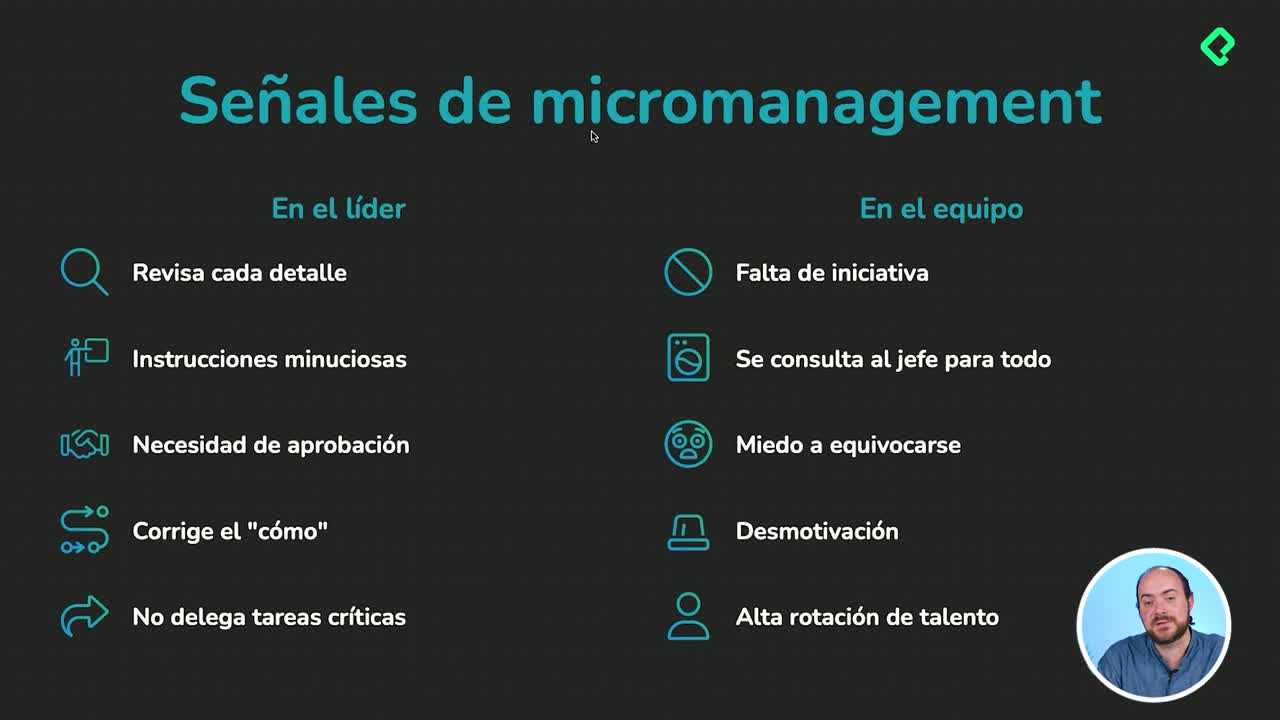
Most leaders do not realize they are micromanaging until the damage shows up in retention numbers. There are signals you can check on yourself and signals visible in the team.
Which red flags appear in your behavior as a leader?
These are the personal warnings worth auditing honestly, and worth asking your team about directly.
- Assigning tasks in an overly detailed way, explaining the how even after onboarding is over. Once a person is trained, you should communicate the expectation and the expected result, not the step by step.
- Becoming the approval bottleneck. If most processes need your sign off, you are blocking autonomy. Let people decide, with clear accountability for the consequences.
- Constantly criticizing how things are done. After training, focus on the result. If the outcome is positive and stays within legal, ethical and moral standards, the how matters less.
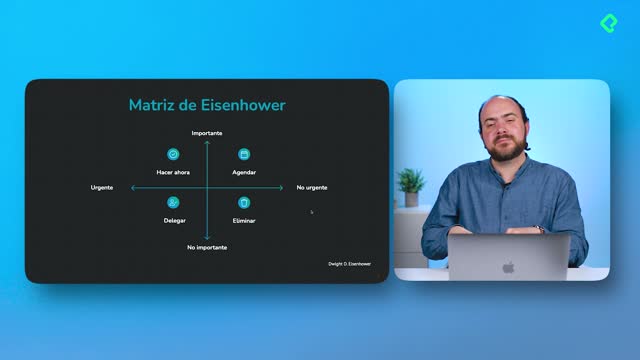
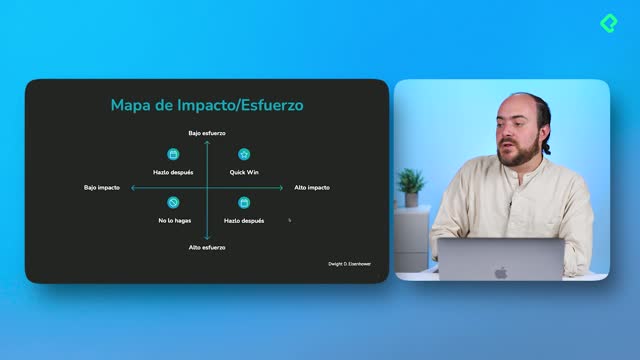
- Not delegating. Use the Eisenhower matrix to delegate, including critical and important tasks as your team grows into the skills required.
What is micromanagement? It is a leadership style where you supervise every step and decision of your team instead of trusting their judgment. It usually causes demotivation, low initiative and high turnover.
What red flags can you see in your team?
Sometimes it is easier to spot the symptoms in others than in the mirror. Watch for these patterns inside your team.
- They constantly ask for authorization for routine activities.
- There is lack of initiative, often driven by fear of being corrected or scolded.
- There is high turnover in your specific team. People leave and you are constantly hiring replacements.
- There is visible demotivation, because constant review during the entire workday wears people down.
If you tick several of these boxes, the fix is not to disappear; it is to give your team the tools to solve problems on their own and approach you only when they truly need support.
How can you learn to let go without losing control?
Letting go is a skill, not a personality trait. It starts with understanding what you can and cannot influence.
What is the locus of control and why does it matter?
The locus of control refers to what is actually within your reach. You can influence your own decisions and actions, but external factors, including other people, are outside your direct control. You cannot control other humans.
What is the locus of control in leadership? It is the awareness of which things depend on you and which do not. Focusing your energy only on what you can control gives you clarity and prevents the urge to micromanage others.
The practical move is to channel your energy into what depends on you and stop spending it trying to control behaviors that are not yours.
How do you delegate effectively without micromanaging?
Once your locus of control is clear, delegation becomes a structured practice rather than an act of faith.
- Accompany without invading. Tell your collaborator the project, the expectation and the result you need, and offer support with resources or additional team members. You guide and lead, you do not control.
- Define metrics to evaluate progress objectively.
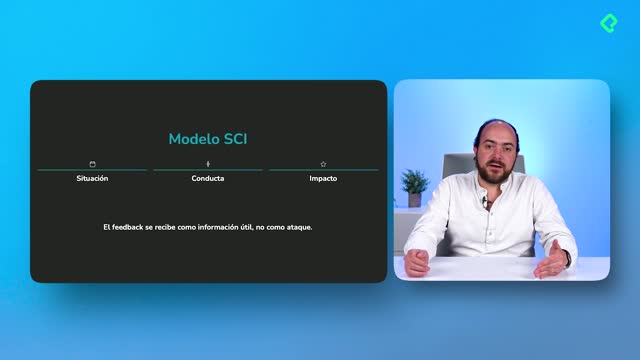
- Provide feedback to redirect the work when it drifts off the expected path, guiding the person back toward the project goal.
This is leadership in the literal sense: you are walking next to the person, not breathing down their neck.
What lightweight controls keep you informed without micromanaging?
Avoiding micromanagement does not mean disconnecting from what is happening around you. That extreme is equally harmful for the organization. The middle ground is light touch oversight.
- Checkpoints. For an important project, a weekly 15 minute checkpoint is enough to review blockers, wins and where the collaborator needs help.
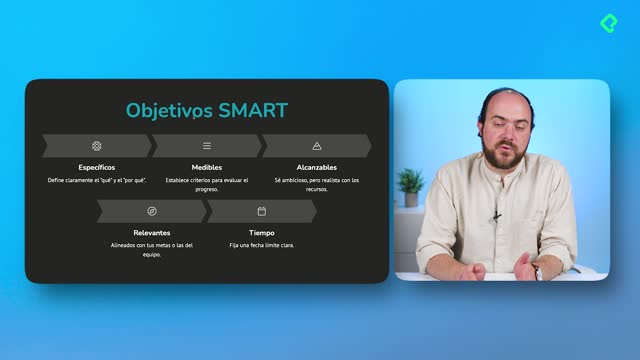
- Clear and measurable objectives. Set goals that are objective and measurable. Methodologies like SMART and OKRs (Objective Key Results) make this explicit.
- Reports, used with caution. Asking for written reports often wastes hours that a 15 minute call could replace, so prefer the call when possible.
- Dashboards with real time data. If your company is mature enough, dashboards let you read project health without asking anyone, and you can detect red flags early when coordinating multiple projects.
These mechanisms give you visibility while keeping autonomy alive in your team.
How does this fit into building a cohesive team?
A solid team is built on trust, autonomy and clear expectations, not on surveillance. Identifying micromanagement signs, understanding your locus of control and using lightweight controls like checkpoints, SMART goals, OKRs and dashboards is what separates a leader who scales from one who becomes the bottleneck.
Share in the comments, or write it in your 30 day plan journal, what your locus of control looks like right now: what you can control in your day to day and what you cannot. That is where you decide to stop wasting energy and start leading.