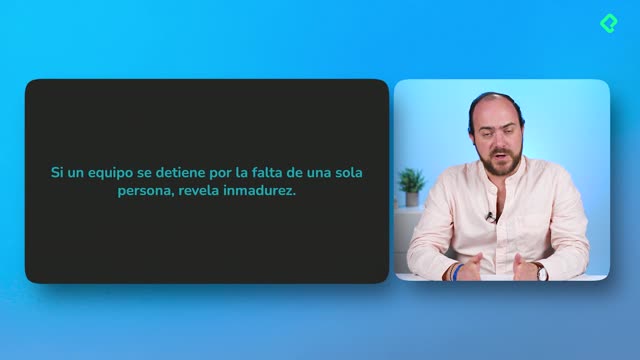
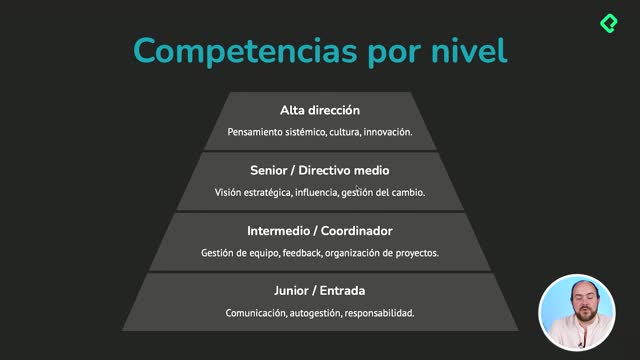
Holding every critical process inside one person's head is one of the riskiest moves you can make as a leader. When information lives with a single individual, your team loses agility, your project gains a hidden fragility, and growth slows down. Here you'll learn why this happens, what it signals about your organization, and how to fix it.
What happens when one person owns all the information?
If the process collapses the moment that person steps away, you have a structural problem, not a talent problem.
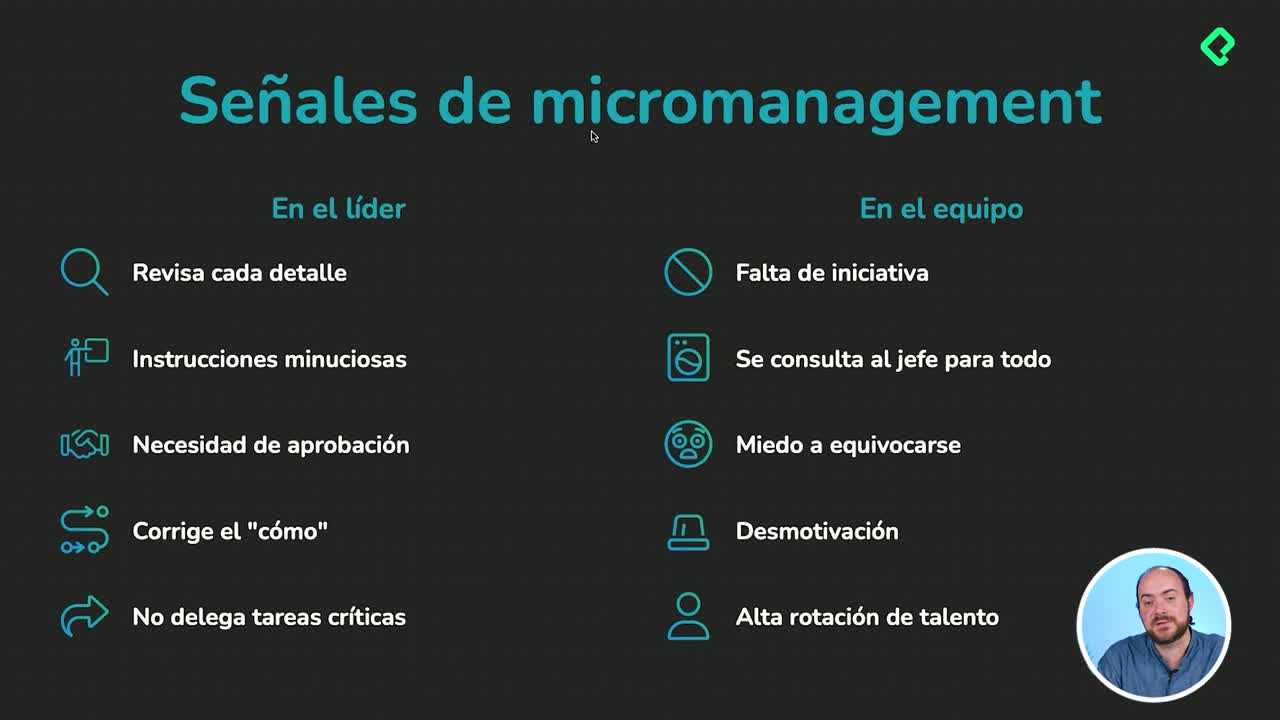
In my experience, this pattern usually points to one of two things. Either there's micromanagement, where decision power is intentionally concentrated, or there's organizational immaturity around processes. Both are warning signs. A healthy company keeps moving even when a key person is on vacation, sick, or simply unavailable.
¿How do you know if your company is mature? If things keep running smoothly when you're not there, your project has reached real maturity. If everything stalls, you have work to do.
Why is the lone genius myth so dangerous in startups?
The startup world loves to romanticize the solo founder who builds everything alone. That story sells well, but it's false.
Every company depends on people and teams. Nothing meaningful is an individual achievement; it's always collective. The strongest organizations use the strengths of each member to cover the weaknesses of others, and they recognize wins as shared wins. Reinforcing the lone genius myth pushes leaders to hoard knowledge, control decisions, and skip documentation, which is exactly what creates fragility.
What is a single point of failure in a team?
When only one person knows how to run a process, you create a single point of failure. The instant that person isn't available, the whole process breaks.
This usually shows up because of three things:
- There's no documentation explaining how the process works.
- The team feels afraid to execute the task because it seems too risky.
- There's excessive dependency on the person holding the access or the credentials.
**¿Qué es un single point of failure? It's any process, credential, or knowledge that depends on one single person, so when that person is missing, everything stops.
How can you stop being the bottleneck of your own company?
If you're an entrepreneur, you'll notice this challenge growing as your team grows. The fix isn't working harder; it's distributing knowledge intentionally.
Three practices that work for me on a daily basis:
- Documentation. In my organization we use lineamientos, simple documents that explain critical processes, how they should be executed, and the rules of the game for each situation. Clear, short, and accessible.
- Shadowing. When a new team member joins, they spend the first months close to you, watching how you handle each activity. You share existing documentation and coach them so they can run the process independently later.
- Mentoring. One on one sessions with a team member to walk through a specific process, answer questions, and build the confidence they need to own it.
Each of these tools attacks the same problem from a different angle: knowledge stops being personal property and becomes a team asset.
What should you reflect on in your leadership journal?
Before moving on, take a moment with your journal. Think about which activity in your team only you are doing right now.
Ask yourself two questions:
- ¿Who could help me cover this task when I'm not around?
- ¿What would I need to document or teach so that person can do it independently?
Leadership grows when you stop being indispensable for the small things and start being valuable for the strategic ones. Distributing information isn't losing control; it's building a team that can win without you in the room every time.
Share in the comments which task you've decided to start delegating this week.