Contenido del curso

SEO and Narrative Structure
Strategic Networking
Content Creation and Engagement
Job Search Tactics
How to Write LinkedIn Messages That Get Replies
Resumen
Personalized LinkedIn messages can boost your reply rate by up to 40%. The catch? Most messages fail because they sound generic or feel like an instant ask. If you want your outreach to feel human and not like spam, the fix starts with how you connect, not just what you write.
Why does LinkedIn limit how many people you can add?
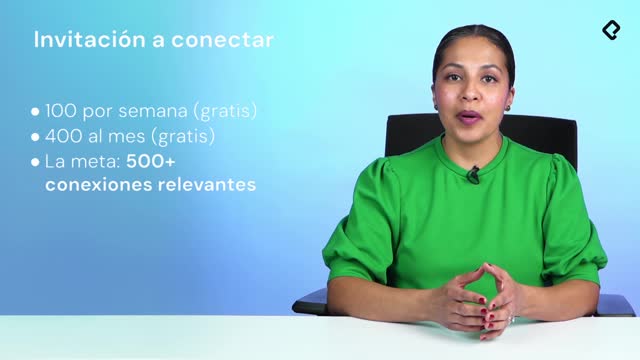
LinkedIn protects its network from spam, and that shapes how you should grow your contacts. The free account caps you at 100 invitations per week, which adds up to roughly 400 per month if every single person accepts.
If your goal is to reach at least 500 relevant contacts, plan for around one month of organic, intentional work on your profile. That pace also forces you to be selective, which is exactly what a quality network needs.
What's the weekly invitation limit on LinkedIn? Free accounts can send up to 100 connection invites per week, or about 400 per month if all are accepted.
Should you follow or connect on LinkedIn?
LinkedIn gives you two ways to interact with someone: following or connecting. Knowing the difference helps you build a network that actually serves your professional goal.
- Connect: creates a two-way relationship and counts toward the 30,000-contact ceiling.
- Follow: lets you see someone's content or company updates without a mutual link.
- Bell icon: appears once you follow a profile, so you can choose to get notified about all posts, top posts, or none.
Use follow when you care about the content or the company. Use connect when you want a real conversation.
When does the bell icon make sense?
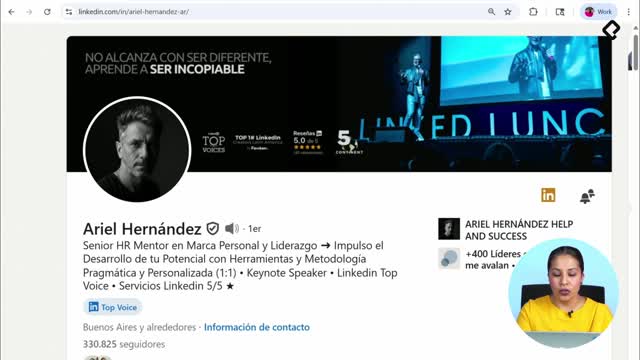
If a creator's activity is valuable to your career, click the bell on their profile. LinkedIn will then push their publications and interactions to your notifications, keeping you close to people you admire even before you connect.
How do you personalize a LinkedIn connection request?
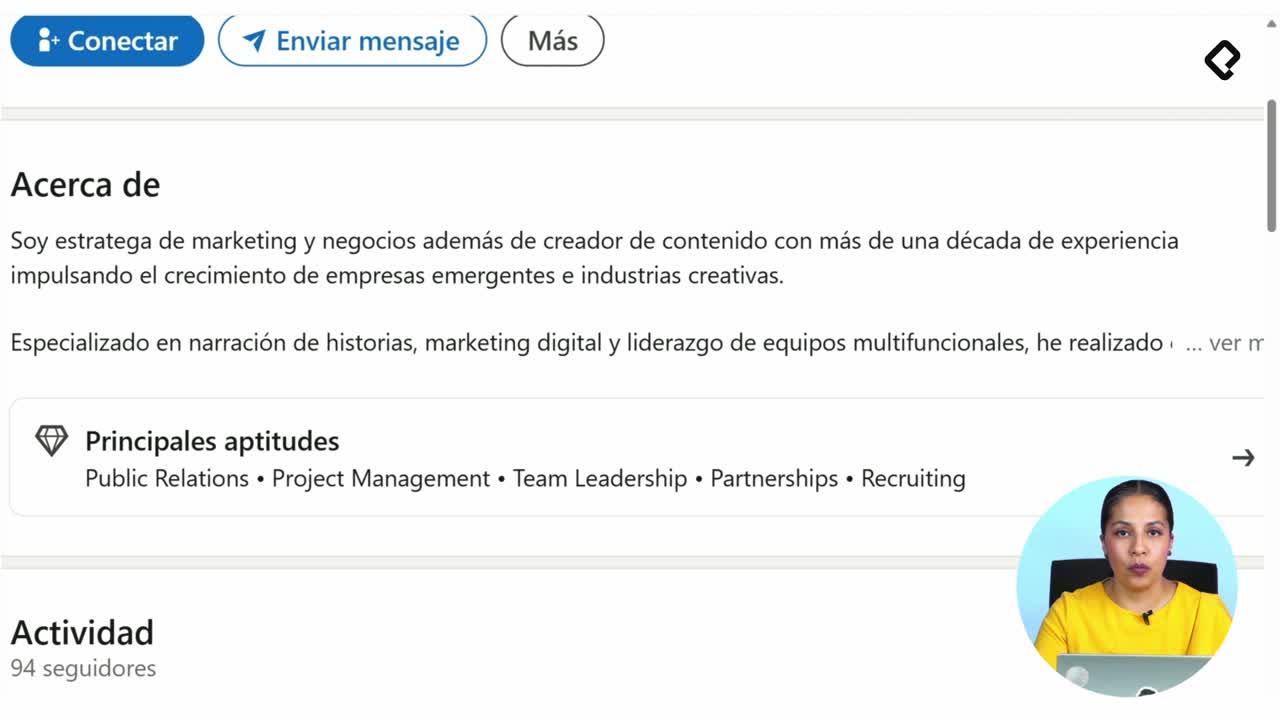
When you visit a second-degree contact, like a profile you share mutual connections with, you'll see the Connect button. Click it and LinkedIn will ask if you want to add a note. That note is where reply rates are won or lost.
Think about it in real life. If a stranger walks up and immediately asks for something, you'd probably ignore them. The same logic applies on LinkedIn: a short, specific note tells the other person why you're reaching out and makes acceptance far more likely.
LinkedIn gives you a character limit for that note:
- 200 characters on free accounts.
- 300 characters on Premium accounts.
That tight space is a feature, not a bug. It pushes you to be brief and clear.
Why do generic LinkedIn invites get ignored? They feel like spam or an instant ask. A short note with a real reason, a shared contact, or a specific interest makes recipients more likely to read and accept.
What should you write inside the note?
LinkedIn often suggests openers like "We met at..." or "I've seen your content...". Use those as starting points and add something genuine. For example: "Hi Alejandra, I've seen you at X and we both know Y."
Avoid assuming what the other person needs. Saying "I want to share a success case you'll find interesting" presumes interest you haven't earned yet. If you catch yourself making that leap, rewrite the line. The goal is connection, not a pitch.
How do you audit your LinkedIn network?
Growing your contacts is only half the work. The other half is checking whether the people you interact with bring you closer to your professional goal or pull you away from it.
Go through your recent interactions and ask:
- Do these contacts share my industry or target market?
- Does their content add value to my learning or visibility?
- Would I feel comfortable reaching out to them for an opportunity?
If the answer is mostly no, it's time to refine who you follow, who you connect with, and which messages you send next. A smaller, sharper network beats a crowded one every time.
Which part of your LinkedIn outreach are you going to rewrite first? Share your draft note in the comments and let's make it sound human.