Contenido del curso


SEO and Narrative Structure
Strategic Networking

Content Creation and Engagement

Job Search Tactics


LinkedIn Analytics as Your Career Compass
Resumen
LinkedIn analytics show you whether your profile, content, and network are actually moving you closer to your professional goal. If you learn to read them with intention, you stop chasing vanity numbers and start using data as a compass. Here you will see which metrics matter, how to interpret them, and how to turn them into action.
What is the Social Selling Index and should you care?
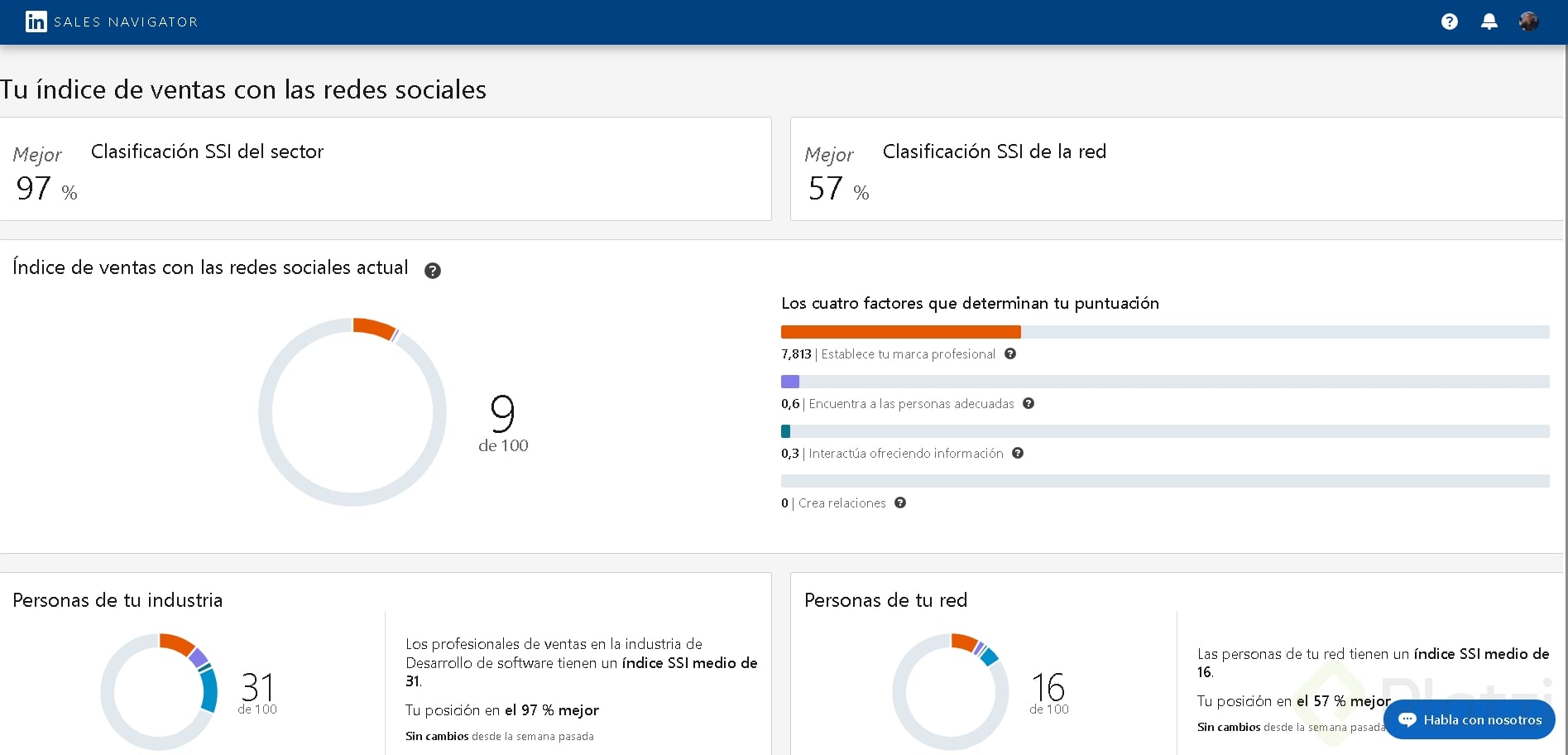
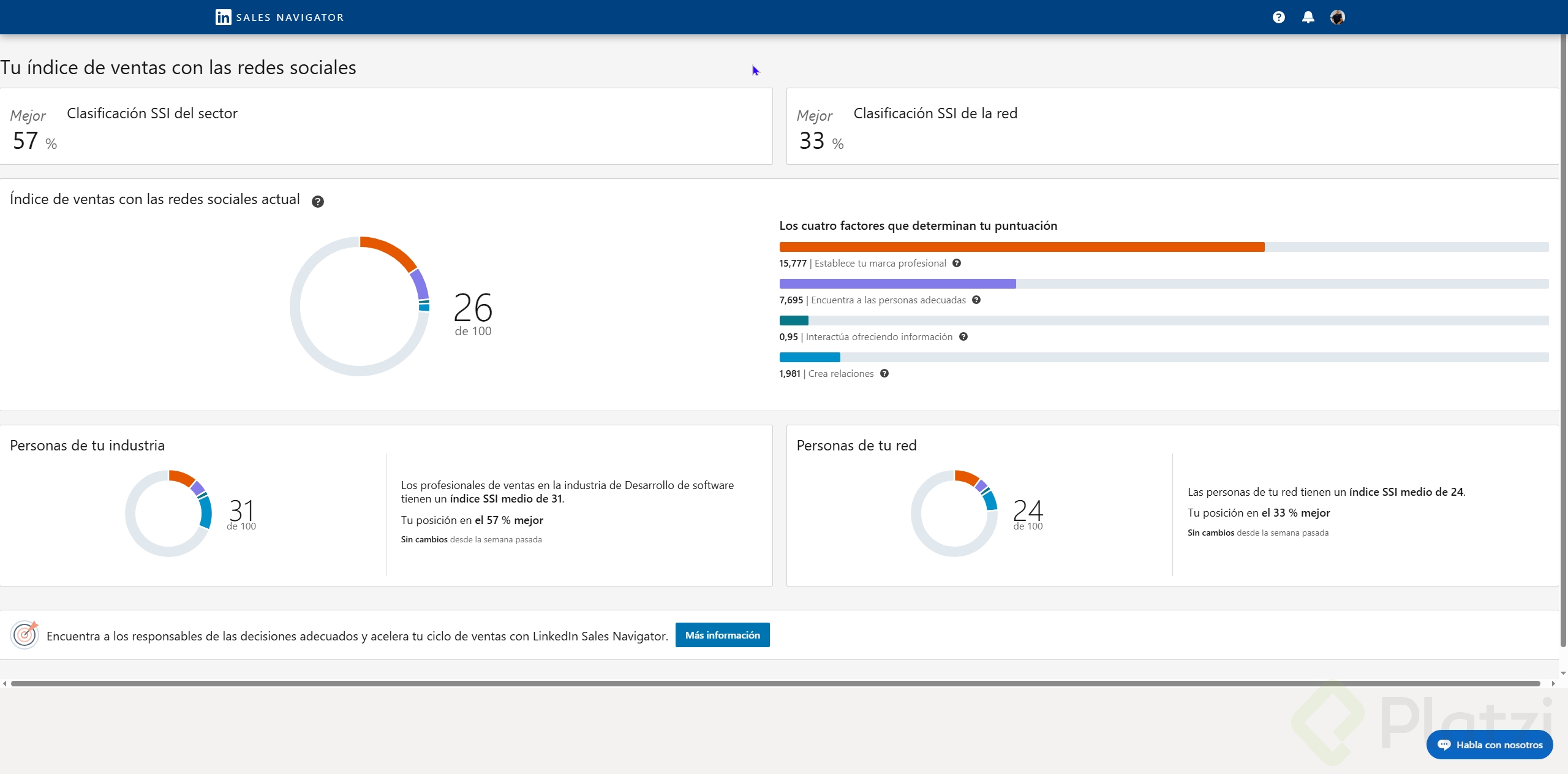
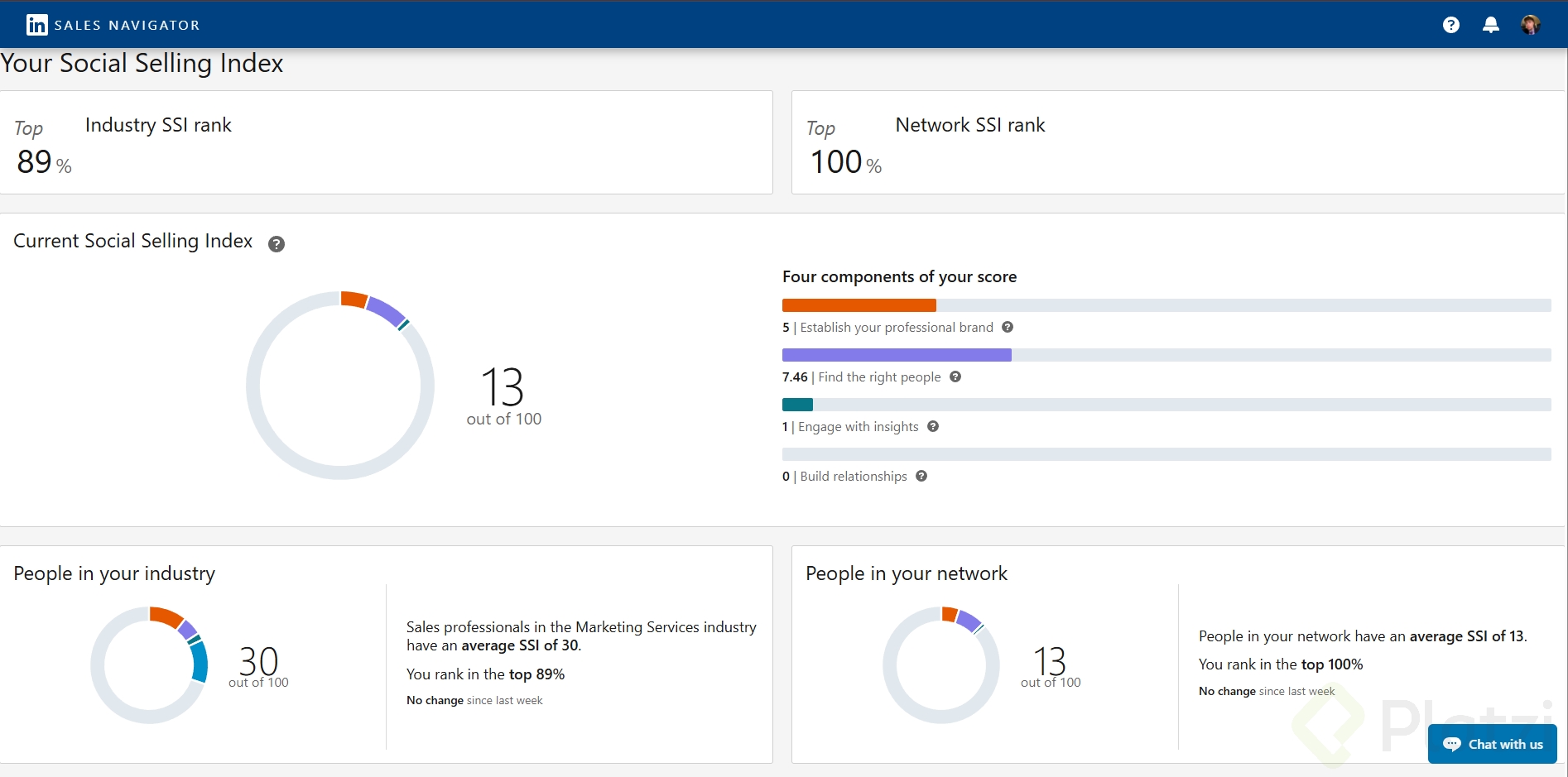
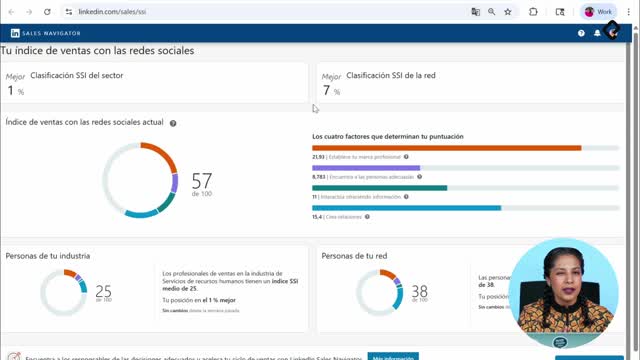
The Social Selling Index (SSI) is a LinkedIn score that measures how well you are building your presence on the platform. You do not need it if you are only looking for a traditional job, but understanding it helps you see where you are investing your time [01:00].
The SSI is built from four pillars: your professional brand, finding the right people, engaging with insights, and building relationships. Each pillar reflects a behavior you can adjust depending on your objective. If you want to reach more companies, focus on relationships. If you want to position yourself as an expert, focus on content and brand.
What is the Social Selling Index? It is a LinkedIn score from 0 to 100 that measures your activity across four areas: brand, prospecting, insights, and relationships. It signals how actively you are building presence on the platform.
How do you read your LinkedIn profile analytics?
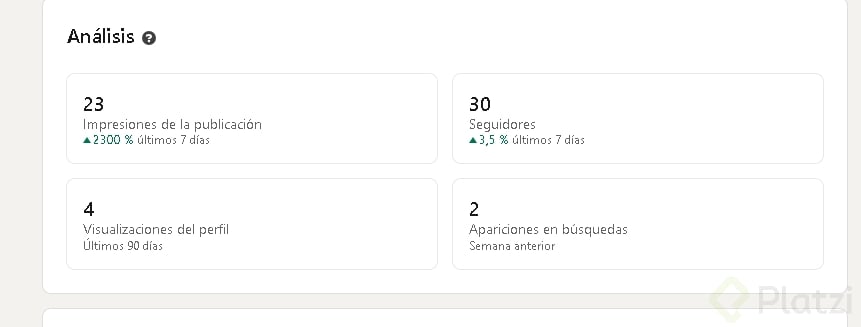
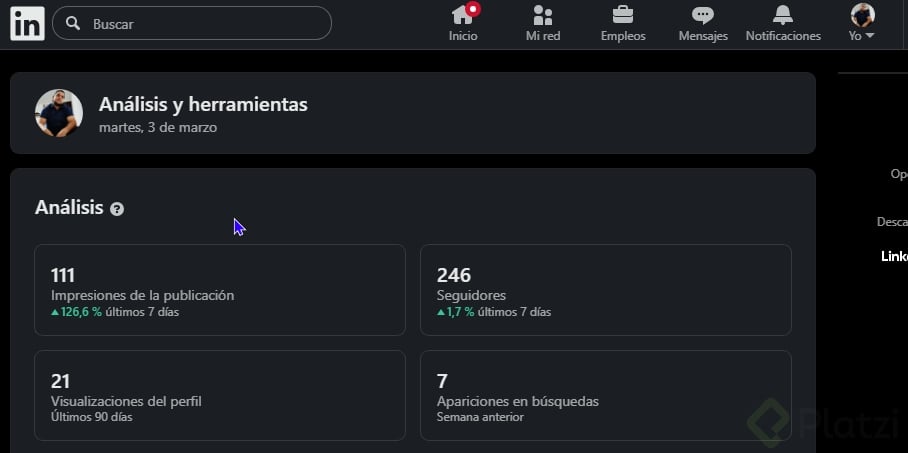
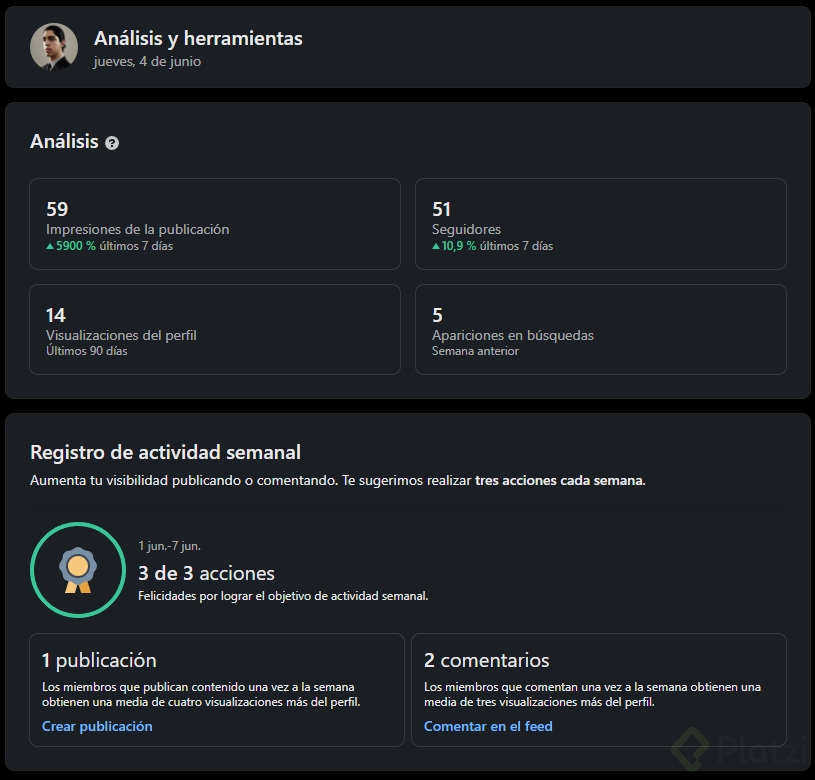
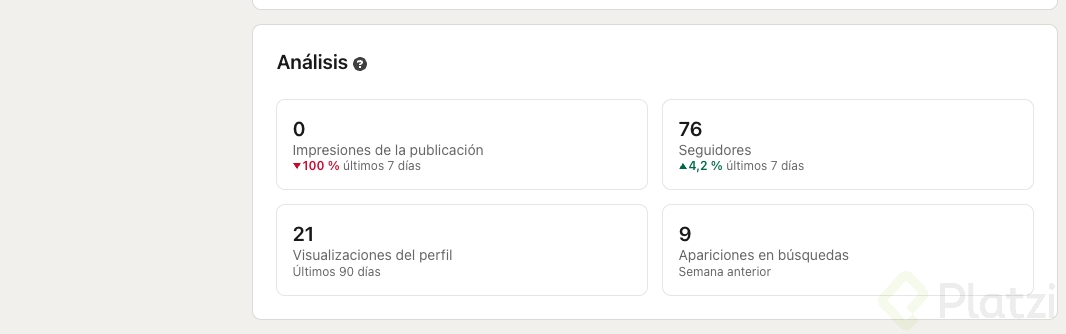
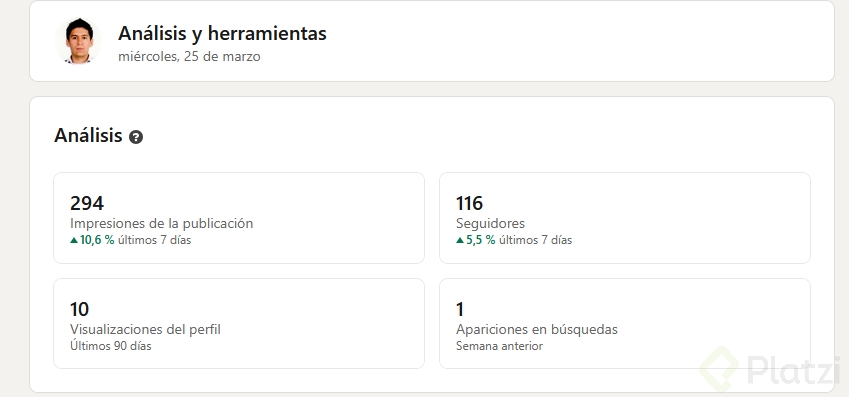
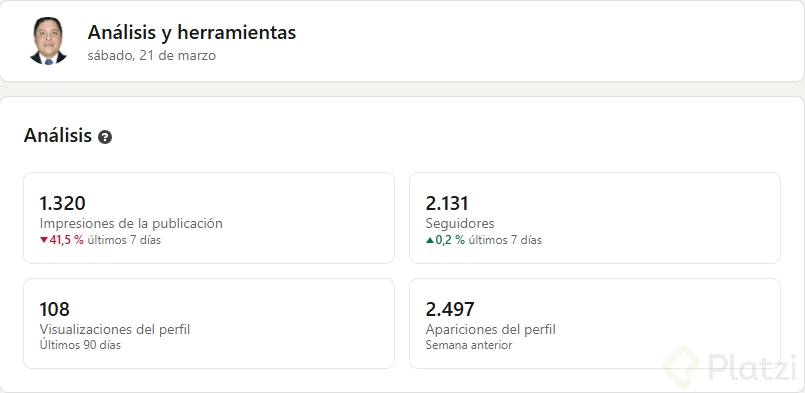
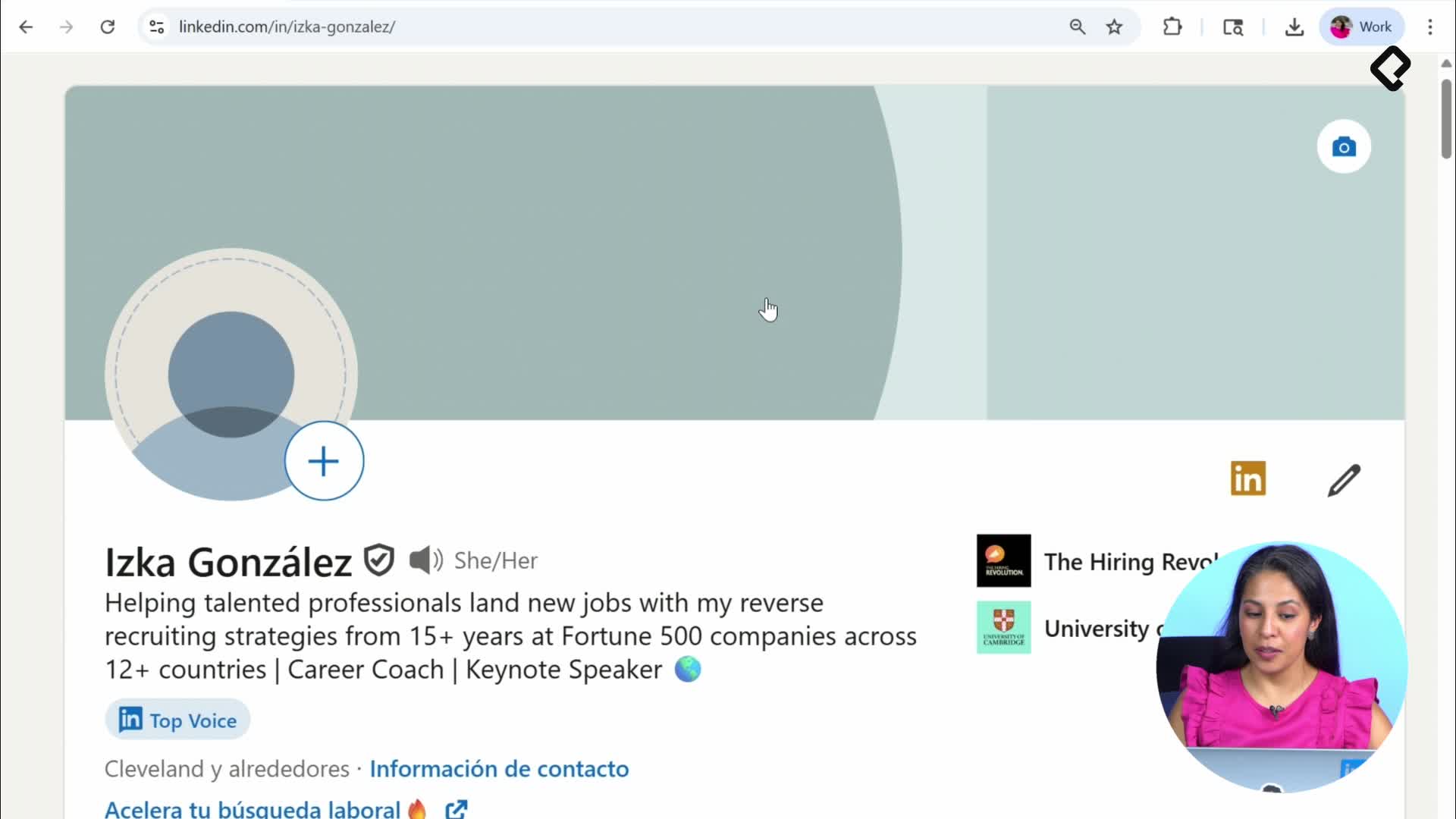
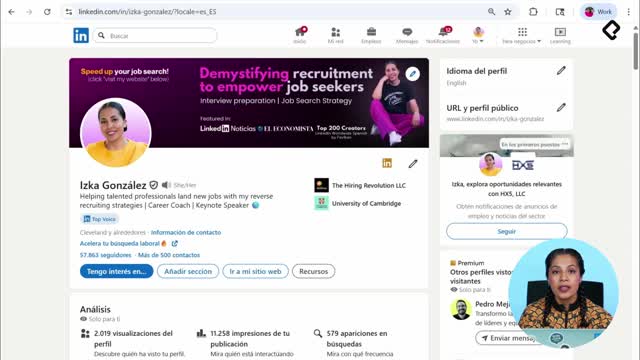
Right below your introduction section, where your photo and banner live, LinkedIn shows a private analytics panel only you can see [03:30]. It highlights three priority areas at the top, and you can expand the rest by clicking Show all analytics.
Inside that view you will find:
- Post impressions and how your content is performing.
- Followers gained over time.
- Profile views from other members.
- Search appearances when recruiters or peers look for someone like you.
- Newsletter subscribers and article performance, if you publish long form.
When a metric is unclear, click the question mark icon next to it. LinkedIn explains what it measures and warns that calculations can vary, so treat numbers as directional, not absolute.
Why you should not let metrics pressure you
More profile views do not guarantee a job offer tomorrow. Every element of your profile contributes to your goal, but the strategy comes first and the numbers follow. If networking is your strongest path to a new role, grow your connections. If you want international brand collaborations as an AI expert, then follower growth becomes more relevant.
How often should you post on LinkedIn to grow visibility?
LinkedIn rewards consistency, and it tells you so directly inside the analytics panel. The platform suggests weekly activity to keep momentum and improve your reach [06:45].
Two benchmarks worth remembering:
- Members who post content once a week get an average of four more profile views.
- Members who comment once a week get at least three more profile views.
How often should I post on LinkedIn? At least once a week. Weekly posting plus weekly commenting can multiply your profile views and keeps your activity visible to your network.
That is why comments matter as much as posts. Real conversations and real connections move the numbers, because LinkedIn measures interactions between members, not just publishing volume.
What creator tools can you use on LinkedIn?
If you want to show your expertise in different formats, explore the Creator tools section. You can:
- Host live events through LinkedIn streaming, similar to a YouTube channel.
- Launch your own newsletter and share a subscription link.
- Switch between Connect and Follow as your primary button to attract followers instead of mutual invitations.
Choose the format that fits your goal. A newsletter works well for thought leadership, while live events help you build authority in real time.
How do you turn analytics into a weekly routine?
The most useful number is not impressions, it is your weekly activity log. Ask yourself how much time you spend on LinkedIn, what content you curate, what you create, and who you interact with. If something is not working, run your own A/B test and try a different angle.
A practical challenge: take a screenshot of your analytics today. That baseline will let you compare progress as you optimize your profile, expand your network, and adjust your content strategy. Tell me in the comments which metric you want to grow first.