Agility is a mindset, and turning it into action requires a clear method. The iterative and incremental approach is the foundation that makes Scrum different from traditional project management, and learning how it works helps any team deliver value faster while adapting to change.
What is the iterative and incremental approach in Scrum?
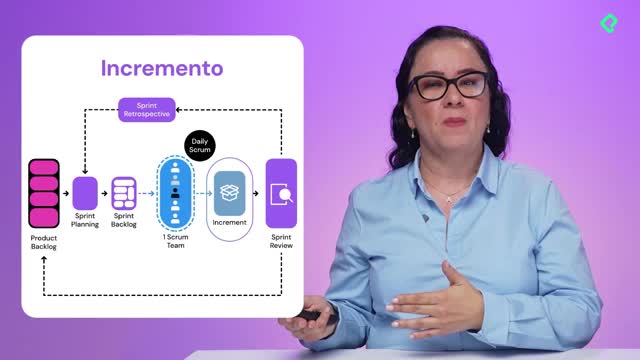
The core idea behind Scrum is to break work into short cycles where you build, show, learn and adjust. This contrasts with linear methods, where planning, design, implementation and delivery happen in sequence and feedback only arrives at the end.
Iterative means working in short cycles. Each cycle has a clear goal and a defined set of tasks for the team. Incremental means that at the end of every cycle, you deliver a usable, functional piece of the product to the client.
What does iterative and incremental mean in Scrum? Iterative means delivering work in short, repeatable cycles. Incremental means each cycle ends with a real, functional piece of value handed to the client.
When you combine both, you get something powerful: a way to meet client expectations step by step, instead of betting everything on a final reveal.
Why does a linear approach fail in complex environments?
In a linear flow you plan the entire project upfront, buy materials, design, build and deliver. Sounds organized, right? The problem shows up when the client finally sees the result.
Think of painting a piece of art the linear way. You design the full project, pick the materials, paint the entire canvas without showing progress, and only at the end your client says: "I love it, but I imagined the sky in another color." Now you are restarting, losing time and resources.
In complex environments the client often does not know exactly what they want. The market shifts, competition evolves, and rigid plans break. That is where Scrum's iterative and incremental rhythm becomes a competitive advantage.
How does the iterative and incremental approach work in practice?
Let's stay with the painting analogy to see each cycle in motion. Every cycle ends with something the client can react to.
- Cycle 1: you create a sketch of the painting and show it to the client to gather first impressions.
- Cycle 2: you define the base color palette and validate it before going further.
- Cycle 3: you paint the central figure, confirming the direction matches expectations.
Each delivery is a small, real piece of value. The client gives feedback, and the team uses it to shape the next cycle. No surprises at the end, no wasted months.
Why use short cycles instead of one big delivery? Short cycles give you continuous feedback, reduce risk and let the team adjust direction before mistakes get expensive.
How can you apply this approach to your own projects?
A second metaphor makes it click: writing a book. In the linear path, you write the introduction, then chapter one, chapter two, and only when the book is finished do readers get to see it. If they dislike the plot or the characters, the rework is massive.
In the iterative and incremental path, you write the first chapter and share it with your readers. You ask if they connect with the plot, if the characters feel real, and you use that input to write chapter two. Every cycle, the book evolves with the audience in mind. The final product is something readers actually want to read.
This is the same logic behind SaludTech, the case study used across the course. SaludTech is a small company building an innovative web application to manage appointments and patients. Instead of designing the entire platform and launching it months later, the team can release usable slices, gather feedback from clinics and patients, and refine the product cycle by cycle.
Moving from a linear mindset to an iterative and incremental one is a crucial skill. It lets you face organizational challenges with flexibility, adapt to change and deliver value continuously, which is exactly what Scrum is designed to enable.
Think about that personal project you have in mind. How would you split it into short cycles, each one ending with something real you can show? Share your idea in the comments and let's compare approaches.