De acuerdo al caso de Salud Tech
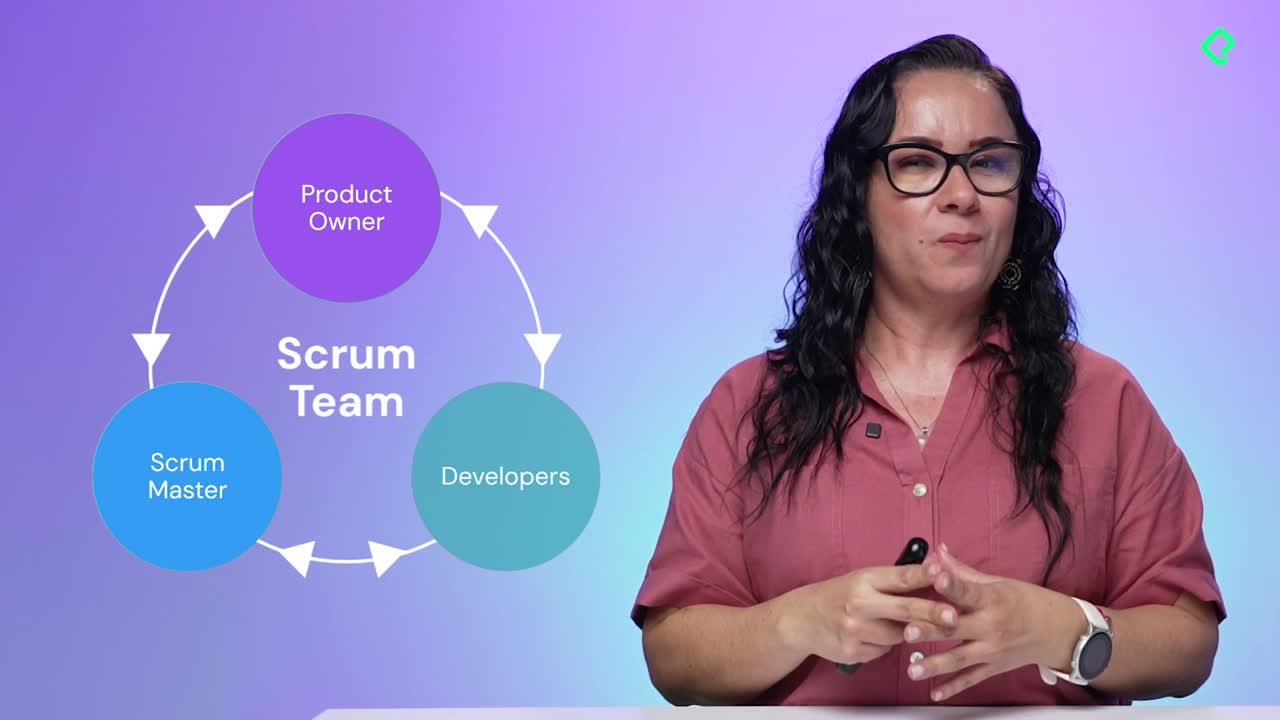
i.1 ¿Quién podría asumir el rol de Product Owner?
Carlos
i.2 ¿Por qué?
Porque tiene conocimiento de las necesidades de los usuarios en general del producto a realizarse
ii.1 ¿Quién podría asumir el rol de Scrum Master?
Andrea
ii.2 ¿Por qué?
Porque es la que de todos modos le toca estar pendiente de todo el equipo, solo que debe aprender como hacerlo
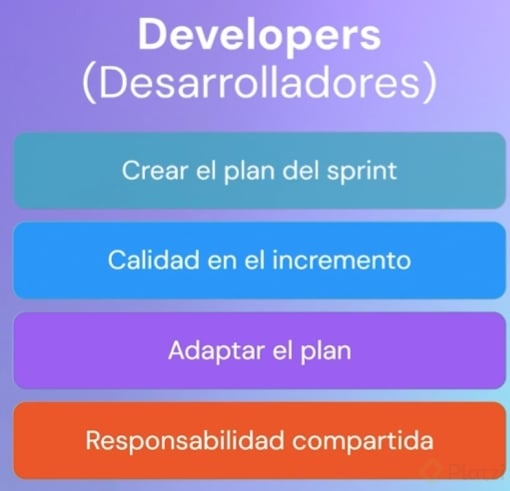
iii.1 ¿Quién serían los developers (desarrolladores)?
Rubén, Laura y Antonio
iii.2 ¿Qué conocimientos y habilidades deben tener?
Deben mejorar la comunicación, y la integración de sus habilidades actuales.
b. Dado tu Proyecto personal:
i.1 ¿Quién podría asumir el rol de Product Owner?
En el personal (no laboral), no poseo un equipo, si llego a incluir personas en él, necesitaría alguien a quien le destinaría el resultado, sea este quien lo utilice (como un juego o aplicación)
i.2 ¿Por qué?
Porque quien sea el destinatario del producto, sabrá que quiere, que detalles le podrían ser de utilidad e interactuaría con el equipo para definir los parámetros que se desean de resultado
ii.1 ¿Quién podría asumir el rol de Scrum Master?
Me tocaría a mi... por eso estoy aprendiendo, o buscaría quien tenga una experiencia en ese tipo de metodologías para guiarme (pues me gusta programar)
ii.2 ¿Por qué?
Mi habilidad es tecnológica, no he fungido como desarrollador, aunque tengo las habilidades, pero aún desconozco de metodologías como estas para destinarme a esa tarea.
iii.1 ¿Quién serían los developers (desarrolladores)?
Mi persona y quien sepa crear las cosas necesarias como el arte, el manejo de datos, o la portación a plataformas que desconozco (me especialicé en el uso de software libre y soy apático a lo que es ajeno a eso)
iii.2 ¿Qué conocimientos y habilidades deben tener?
Como diseñar interfaces, como implementar la aplicación para plataformas ajenas a Web o GNU\Linux (porque eso ya lo resuelvo yo)
De acuerdo al caso de la presentación:
¿Cuál de los dos escenarios es más eficientes de cara al proceso y a lograr autogestión y empoderamiento en el equipo?
Ambos escenarios lo pueden lograr, porque dependerá de que acciones se tomen para lograrlo, teniendo o no la experiencia, se puede desarrollar, pero el empoderamiento se autogenera, no se entrega ni se comparte, y los menjores escenarios para promoverlo es cuando el reto se supera.
Pero la experiencia en proyectos de desarrollo pesa, a veces incluso sobre muchas otras variables, así que dependerá también de la experiencia, y parece, según lo descrito que el segundo equipo lo posee
¿Por qué?
Suponiendo que ningún equipo posee conocimiento de una metodología agil o una filosofía de trabajo, quienes ya poseen habilidades de comunicación, y poseen multifuncionalidad les será más fácil, que los equipos que no lo posean pues tendrán el costo en tiempo para lograr obtener las habilidades que se requieren.