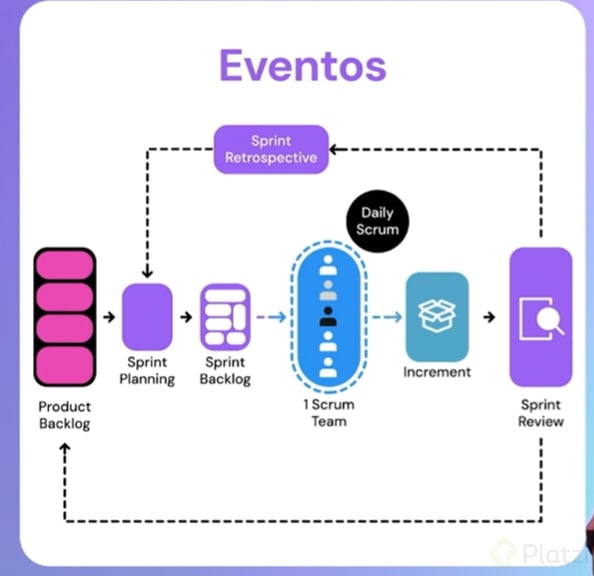
Sprint planning is the Scrum event that opens every sprint and turns vision into a concrete plan. If you work with agile teams, understanding how to run a sprint planning meeting helps you align your Scrum team around a clear goal, select the right backlog items, and avoid the common traps of micromanagement and lack of preparation.
Agility doesn't kill planning. Quite the opposite: to be flexible and adaptive, you need a sharp view of where you're going. That's the whole point of starting each sprint with a structured planning session.
What is sprint planning in Scrum?
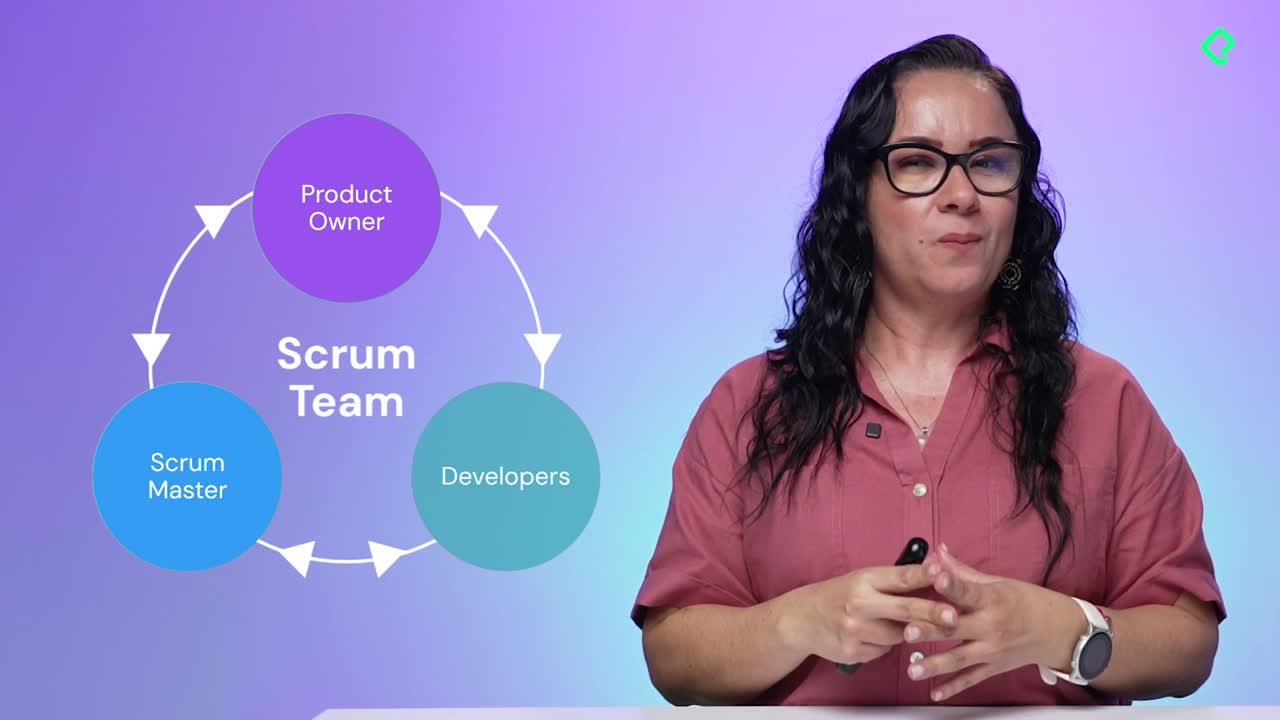
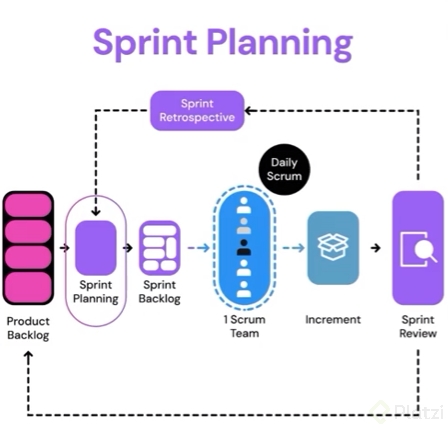
Sprint planning is the event where the Scrum team creates the plan for the sprint. It has a maximum duration of eight hours for a one month sprint, and shorter sprints get proportionally shorter sessions. The entire Scrum team attends: product owner, Scrum master, and developers.
What is sprint planning? It's the kickoff event of every sprint where the Scrum team defines why the sprint matters, what work to include, and how it will be delivered. Max 8 hours for a 1 month sprint.
The session works as a collaborative meeting, not a top down briefing. Everyone shows up with the same mission: align on value and commit to a realistic plan.
Why is this sprint valuable, what to do, and how?
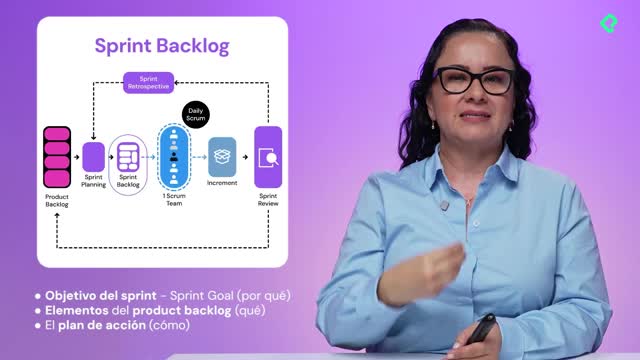
Sprint planning resolves three key questions, and each one belongs to a slightly different conversation inside the same room.
How do you define the sprint goal?
The product owner proposes how the product could increase its value and, together with the team, defines the sprint goal. This goal is the north star of the iteration: it tells you why the sprint is worth running.
In the language learning app example, the product owner frames it like this: "The goal for this sprint is to build the basic vocabulary learning feature for a new user. We want a student to see their first word in English and hear its pronunciation." That single sentence validates whether the initial product idea is valuable for users.
What backlog items fit in the sprint?
Developers and the product owner decide which product backlog items go into the sprint. The selection has to be tied directly to the sprint goal, not picked at random.
Following the same example, a developer proposes three items: a welcome screen for new users, a vocabulary screen showing the word, and a button to play the audio. Three items, all aligned to the goal, all shippable so users can actually try them.
How will the work get done?
Developers break down the selected items into tasks. They self organize, distribute responsibilities, and define the technical plan.
In the scene, one developer says: "I'll handle the logic, the interface, and the navigation. You take the audio. Once it's ready, we both check that the pronunciation is clear and everything works." That's autonomy in action, and it's exactly what Scrum expects from a healthy team.
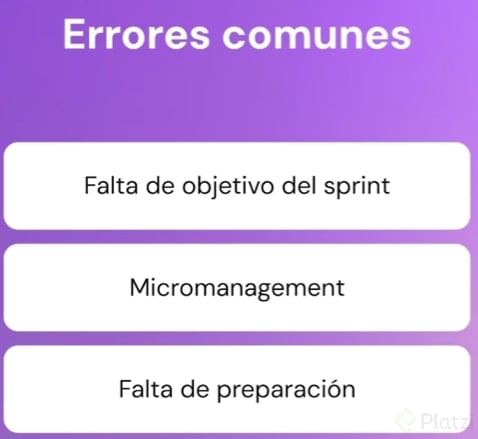
What sprint planning mistakes should you avoid?
Three errors show up over and over in real teams, and any of them can wreck the sprint before it starts.
- Lack of goal. The team locks onto a task list with no clear purpose, so nobody knows what success looks like.
- Micromanagement. Work gets imposed by someone outside the team, or even by the product owner, stripping developers of their autonomy.
- Lack of preparation. The product backlog isn't refined or detailed, which burns time and resources during the meeting itself.
What happens if a sprint has no goal? The team ends up executing tasks without direction, making it impossible to measure value or decide trade offs when priorities shift mid sprint.
A refined backlog before the meeting is non negotiable. Walking into sprint planning with vague items is like trying to cook without checking the fridge.
How does sprint planning look in practice?
Think of the language learning app team again. Scene one: the product owner shares the vision and the team agrees on the sprint goal. Scene two: developers and product owner pick the three backlog items that make the goal real. Scene three: developers split the work, one taking logic and UI, the other taking audio, both committing to validate quality together.
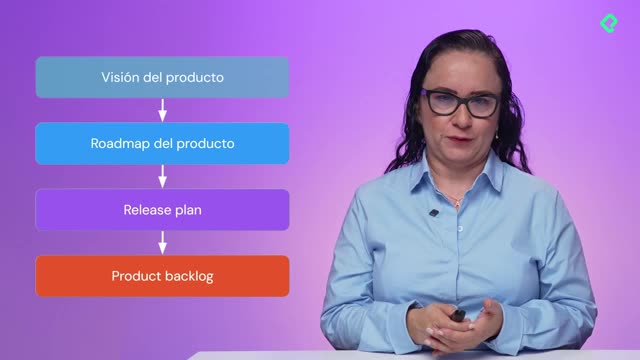
That sequence shows the rhythm of a good planning session. Vision first, scope second, execution plan third. No skipping steps, no shortcuts.
Sprint planning sets the tone for the entire iteration. When the why, the what, and the how are clear, the team walks out aligned, committed, and ready to deliver. If you've run sprint planning sessions before, share what worked and what you'd change next time.