Picture a few arrows on a plane and ask yourself what you could build with them. That question opens the door to linear combinations and span, two ideas that turn vectors from simple arrows into the building blocks of entire planes and 3D spaces. If you already know how to scale and add vectors, you have everything you need to follow along.
What is a linear combination of vectors?
A linear combination is what you get when you take a set of vectors, scale each one, and add the results. It is the most fundamental way to mix vectors together.
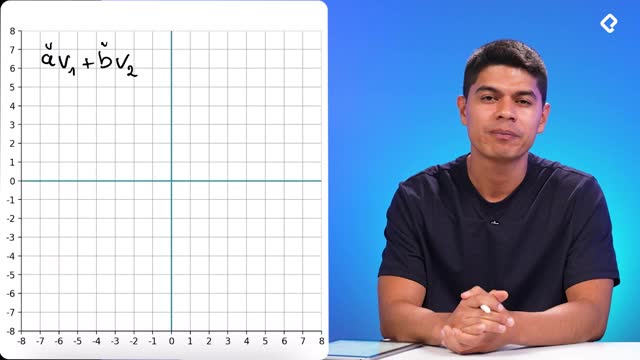
For two vectors V1 and V2, any expression of the form A·V1 + B·V2 is a linear combination, where A and B are scalars. Think of A and B as two knobs you can freely turn before adding the vectors.
Why is it called linear? If you fix one scalar and vary the other, the resulting points trace a straight line parallel to one of the vectors. That geometric behavior is where the name comes from.
How does the parallelogram rule reveal the line?
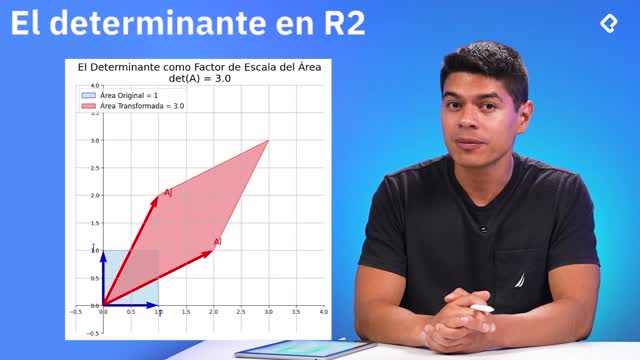
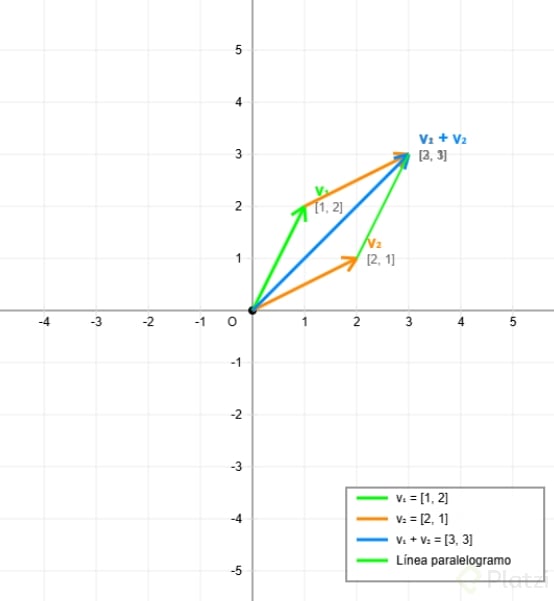
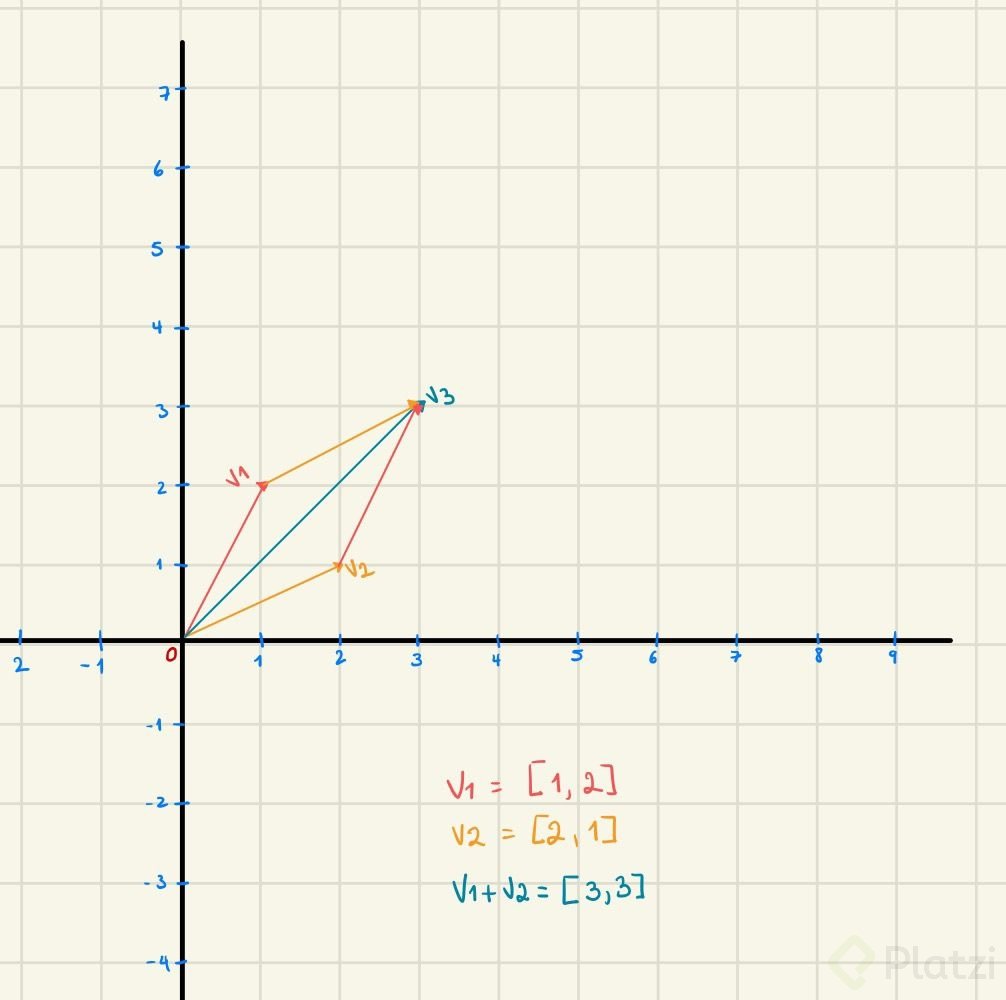
Let's anchor it with a concrete example from the lesson. Take V1 = (1,2) and V2 = (2,1), then fix B = 1 and let A = 2.
- Draw V1 from the origin to (1,2).
- Draw V2 from the origin to (2,1).
- Scale to get A·V1, which is twice as long as V1.
- Add B·V2 using the parallelogram rule, sliding V2 to the tip of A·V1.
The diagonal from the origin to the new corner is your result. The side that closes the parallelogram runs parallel to V1. If you keep B = 1 and turn the A knob, every result lands on a line parallel to V1. Flip the roles, and the line becomes parallel to V2. That is the linear in linear combination.
What is the span of a set of vectors?
If you can turn A and B freely, which points of the plane can you actually reach? That set of reachable points is called the span or generated space. There are three possible outcomes.
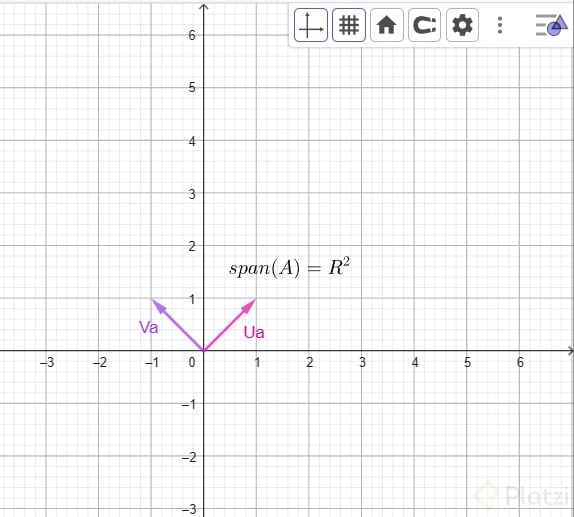
- Two vectors in different directions: you can triangulate any point on the plane. The span is the full 2D plane.
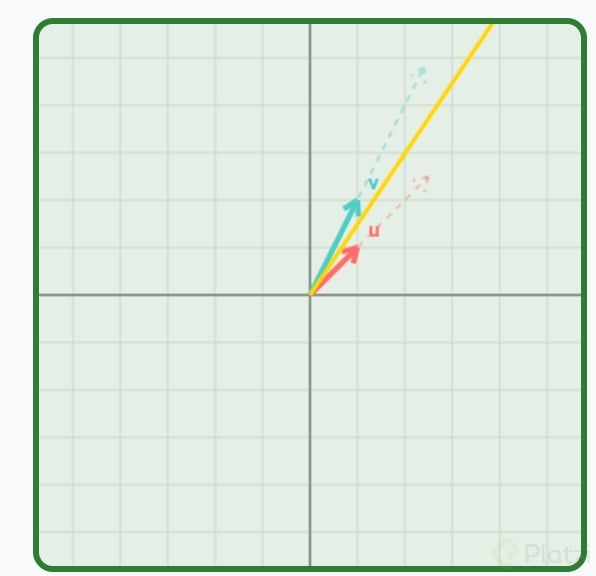
- Two collinear vectors: both lie on the same line, so no combination escapes that line. The span is a line, and the second vector is redundant.
- Zero vectors: if both are the zero vector, the span is just the origin. If one is zero and the other is not, the span is the line defined by the nonzero vector.
What does span mean in linear algebra? It is the collection of every vector you can build by scaling and adding the vectors in your set. It tells you the "reach" of your building blocks.
Why are i hat and j hat the standard basis?
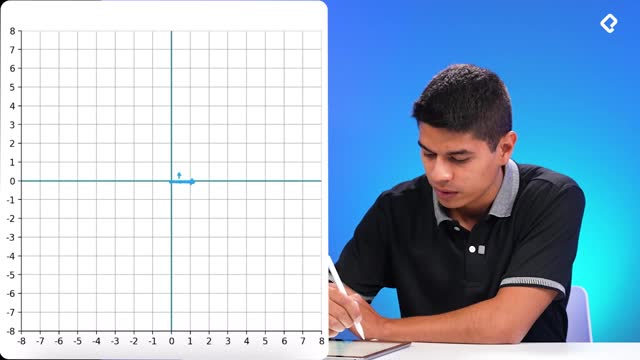
In the 2D plane, two vectors do the heavy lifting: i hat = (1,0) and j hat = (0,1). Every vector you can draw on the plane is a linear combination of these two.
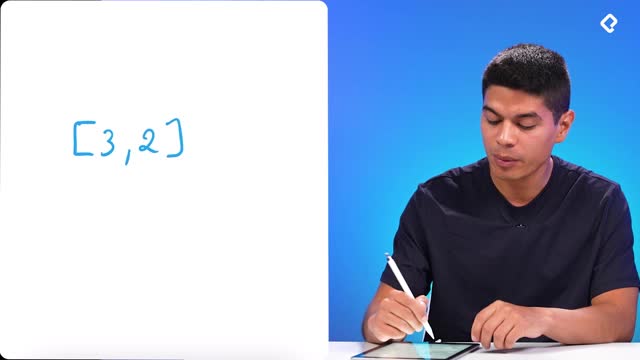
Take V = (3,2) as an example. You move three units along i hat and two units along j hat, so V = 3·i hat + 2·j hat. The coordinates you write every day are already linear combinations in disguise.
These two vectors are special for two reasons:
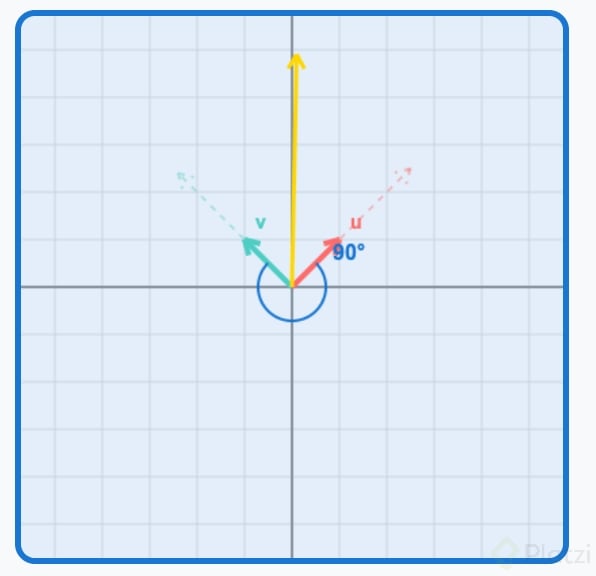
- They are orthogonal, meaning they meet at a 90 degree angle.
- They are unitary, meaning their length is exactly one.
Both properties will return later in the course, but you can already feel why they make such clean building blocks.
Where do you see linear combinations in real life?
You use this idea more often than you think. The RGB color model is a perfect case: every color on your screen is a linear combination of three vectors, red, green, and blue.
A purple tone could be 0.5·red + 0.1·green + 0.8·blue. Different knob settings, different colors, same underlying math.
What is a real example of a linear combination? RGB color mixing. Each pixel's color comes from scaling and adding three base vectors, one per primary color.
How do you describe the span of two vector sets?
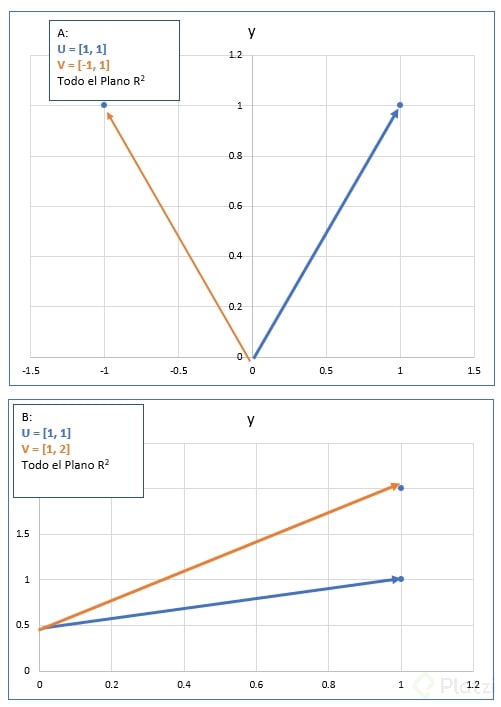
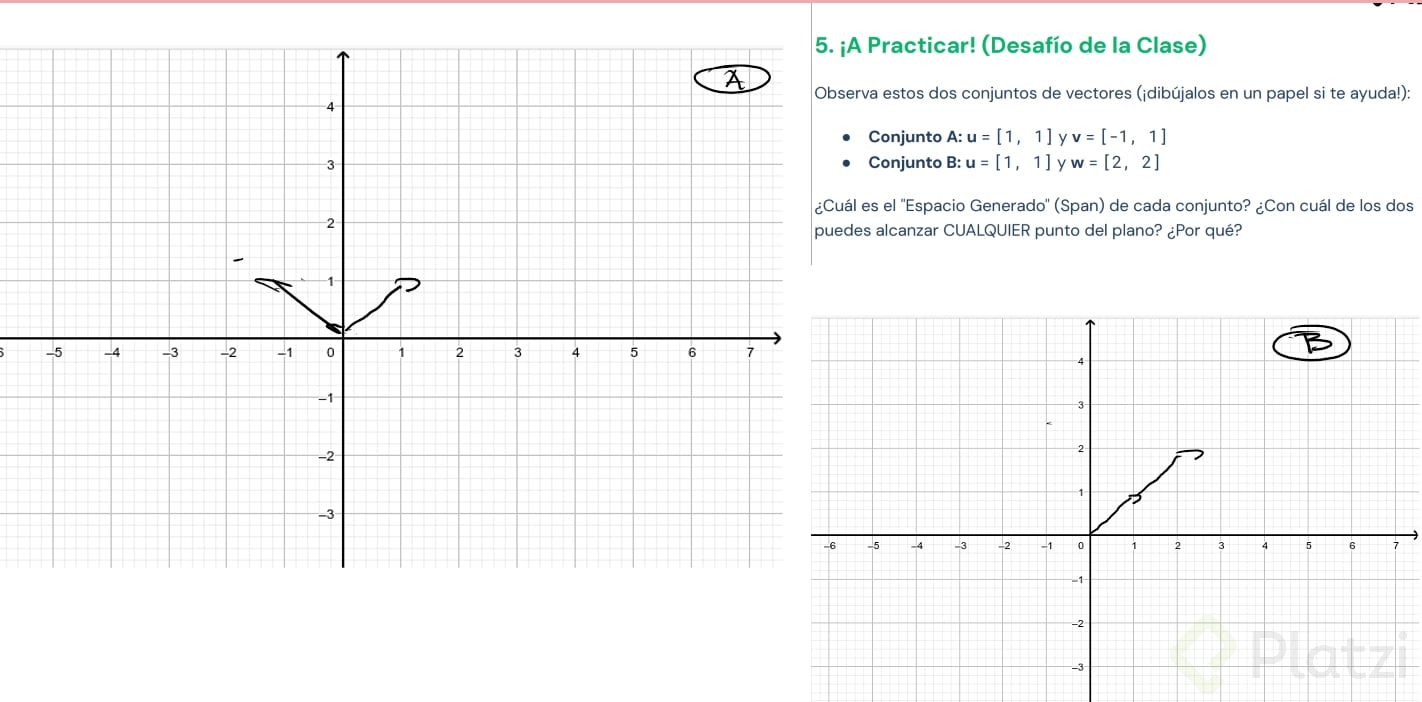
Here is a quick exercise to lock in the idea. Compare these two sets:
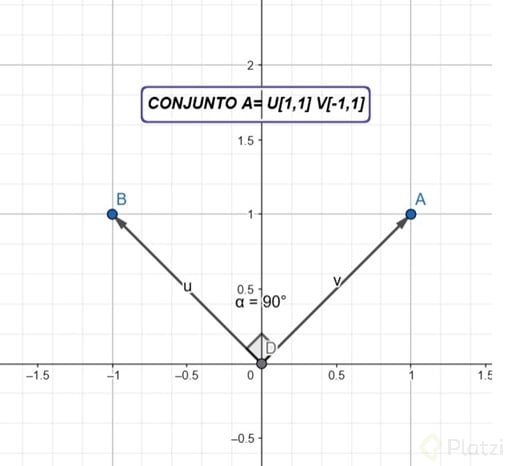
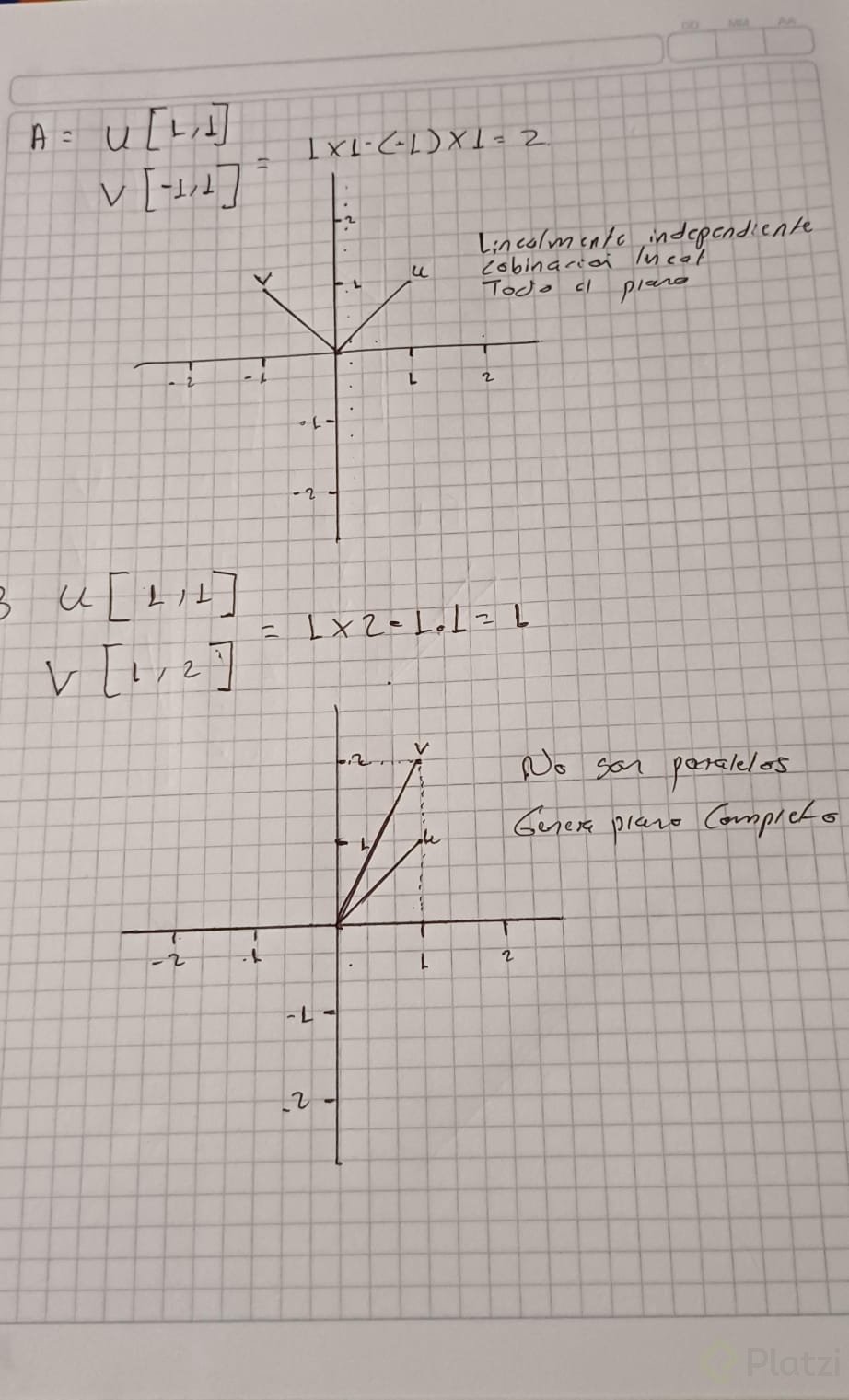
- Set A: u = (1,1) and v = (-1,1).
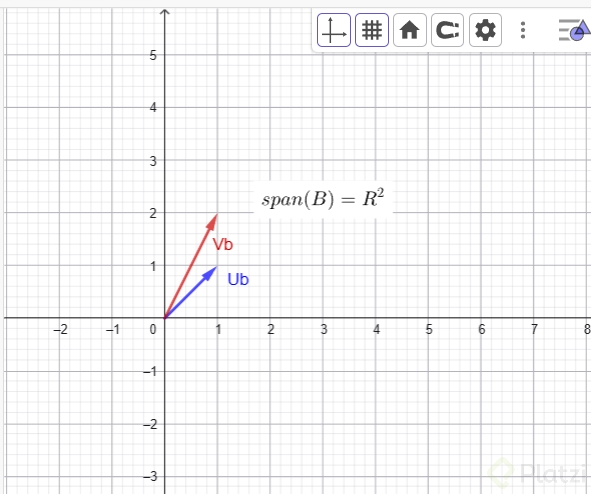
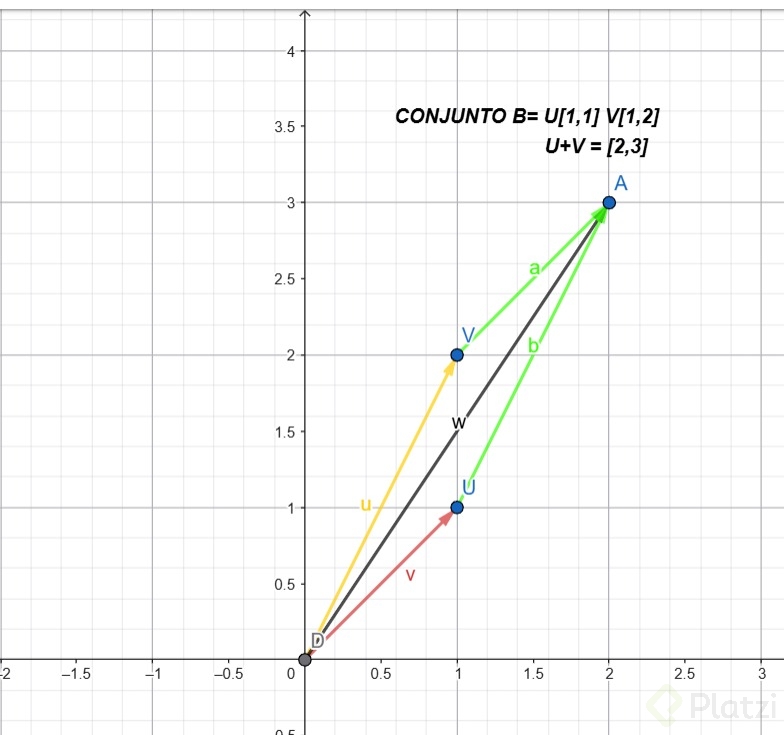
- Set B: u = (1,1) and v = (1,2).
Graph each pair, ask yourself if the vectors point in different directions, and describe the span you get in each case. Drop your graph in the comments so we can compare interpretations.
We saw that sometimes a vector adds nothing new to the span. The natural next question is how to detect that mathematically, and that is exactly what linear independence will answer in the next class.