MCP as the New Standard for AI Systems

Resumen

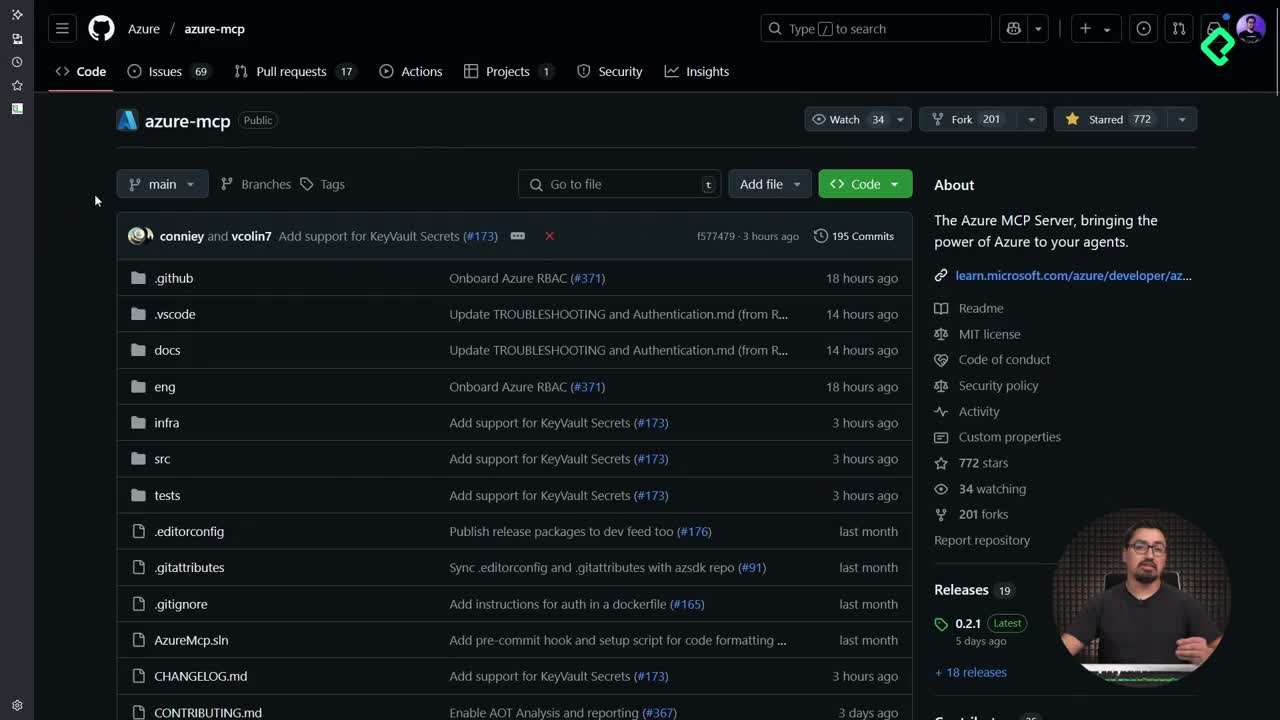
Model Context Protocol, better known as MCP, is shaping up to be one of the most relevant pieces of infrastructure for anyone building with artificial intelligence. If you work with agents, retrieval pipelines or multiple data sources, understanding MCP now gives you a head start before it becomes the new standard.

Why is MCP becoming a possible replacement for APIs?

Think of MCP as a unifier. The same way an API connects many information sources under one contract, MCP centralizes resources, tools and context for AI systems in a single access point.

That is the core idea: a context protocol designed for the era of language models. And honestly, it feels like one of those concepts that should have existed years ago. Now that it is here, it changes how you architect AI products.

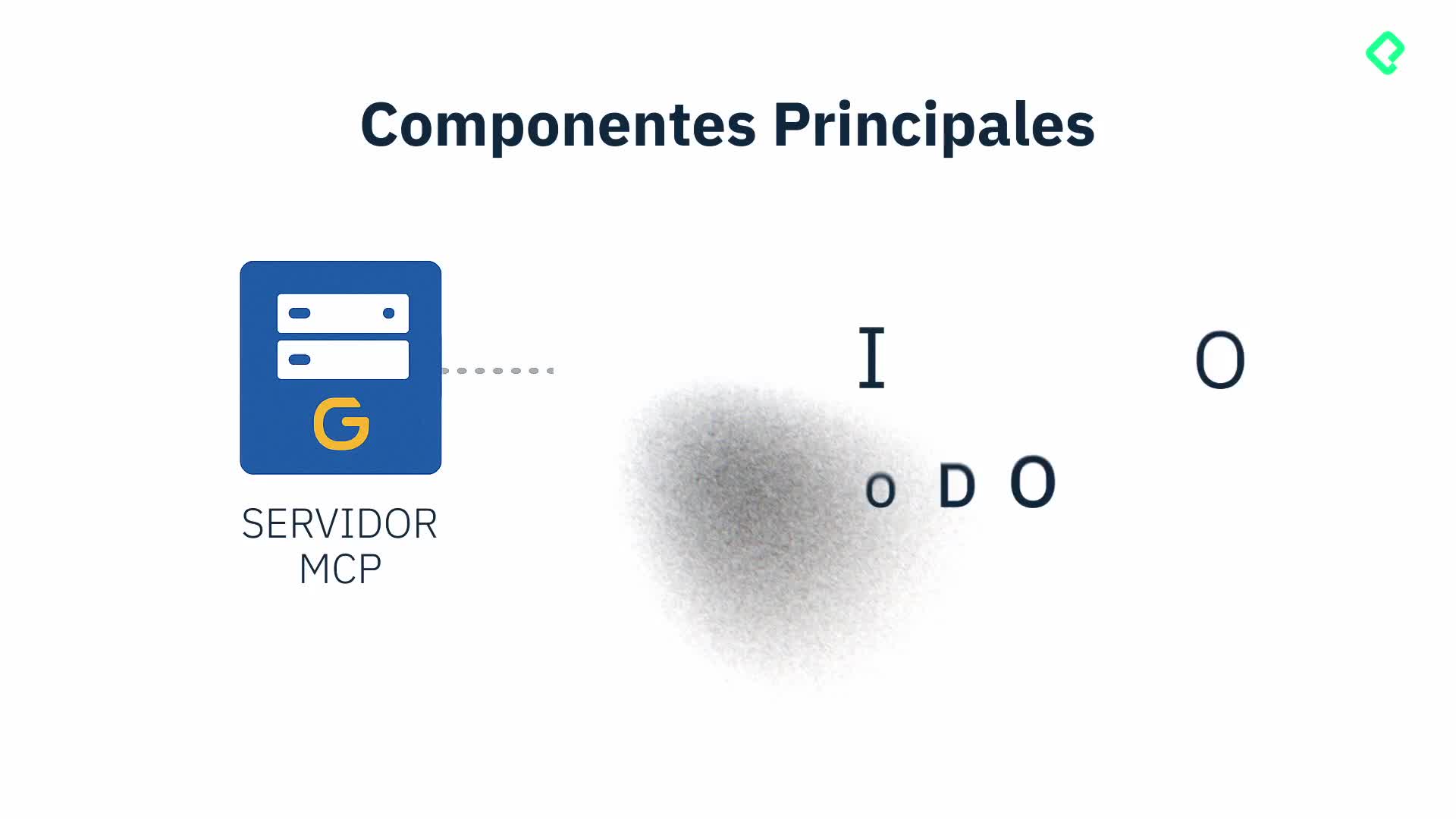
What is MCP in simple terms? MCP is a context protocol that lets AI applications connect to many tools, data sources and agents through one standardized layer, similar to how an API standardizes communication between services.

When will you actually end up needing an MCP server?

There are three very common scenarios where you will land on MCP almost without planning it. If you recognize yourself in any of them, you are already close to needing a server.

  • If you are working with RAG pipelines, you will end up in an MCP.
  • If you plan to deploy multiple agents inside a company, you will end up in an MCP server.
  • If you combine several information sources with RAG and multiple agents, MCP becomes the natural destination.

The pattern is clear. The more fragmented your AI stack gets, the more value a unifying protocol delivers.

What problems does centralizing information solve?

When you centralize tools and context, you reduce duplicated integrations, you simplify how agents discover capabilities and you make it easier to govern what each model can or cannot access. That is the practical promise of MCP.

Do I need MCP if I only use one agent? Not necessarily. MCP shines when you have multiple agents, several data sources or RAG processes that need to share tools and context in a consistent way.

What should you evaluate before adopting MCP in production?

MCP is powerful, but it is still a protocol that keeps evolving. Updates arrive quickly and the ecosystem is maturing, so you cannot treat it like a finished standard yet.

Before betting your architecture on it, weigh these factors carefully:

  1. Security: how you authenticate and authorize access to tools and data through the protocol.
  2. Performance: latency and overhead when routing requests across multiple resources.
  3. Scalability: how the server behaves as you add more agents, sources and concurrent calls.

These three pillars decide whether your MCP implementation holds up in the real world or breaks under load.

How fast is MCP changing right now?

Fast. New improvements, patterns and best practices appear constantly, which means any solid foundation you build today will likely need updates in a few months. That is not a weakness, it is the nature of an emerging protocol.

How should you keep practicing with MCP from here?

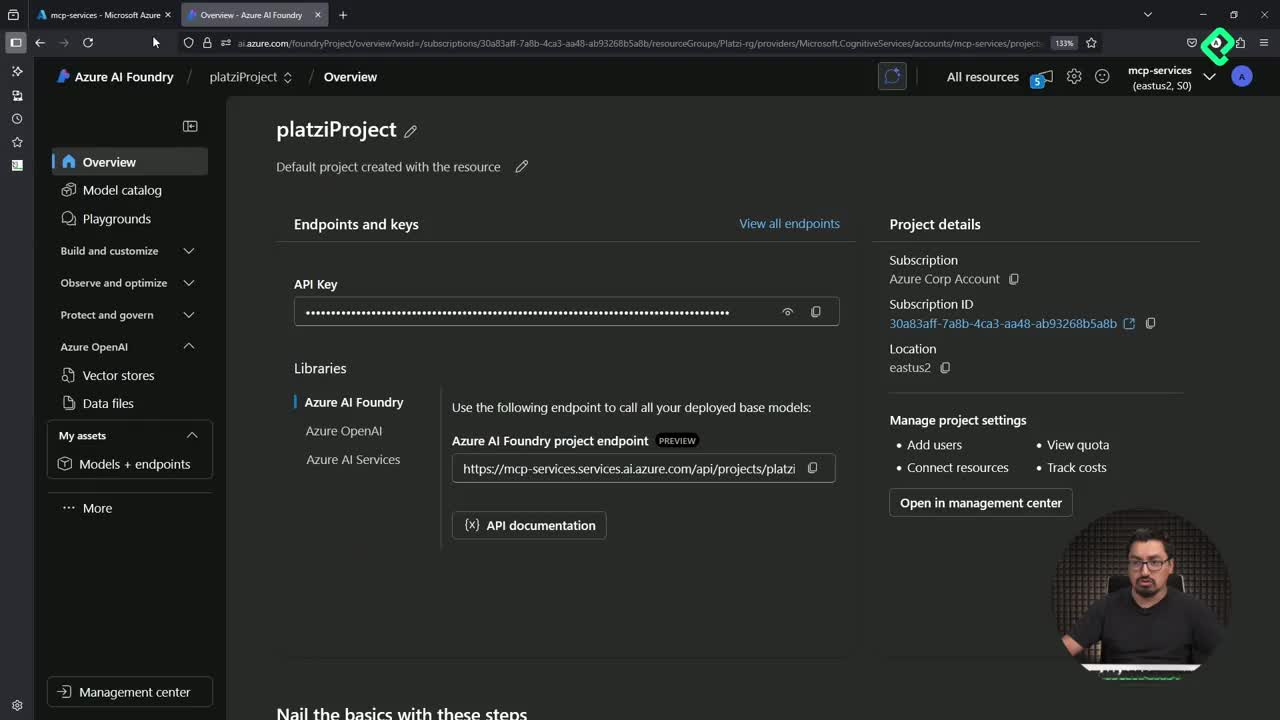
The best move is to treat what you learned as a foundation and keep building on top of it. Connect your own data sources, wire up small agents, break things on purpose and observe how the protocol handles it.

Amin Espinosa, senior software engineer at Microsoft, prepared this material precisely so you have a strong base to grow from. The technology will keep evolving, and the people who practiced early will be the ones leading the next wave.

What is the first MCP server you want to build? Share your idea in the comments.